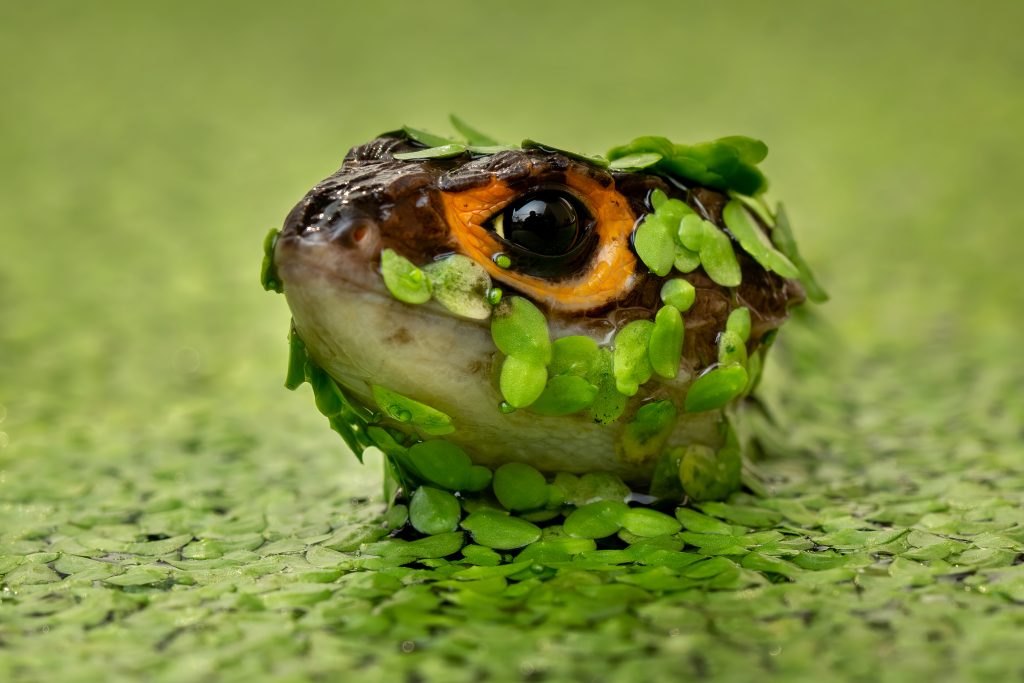


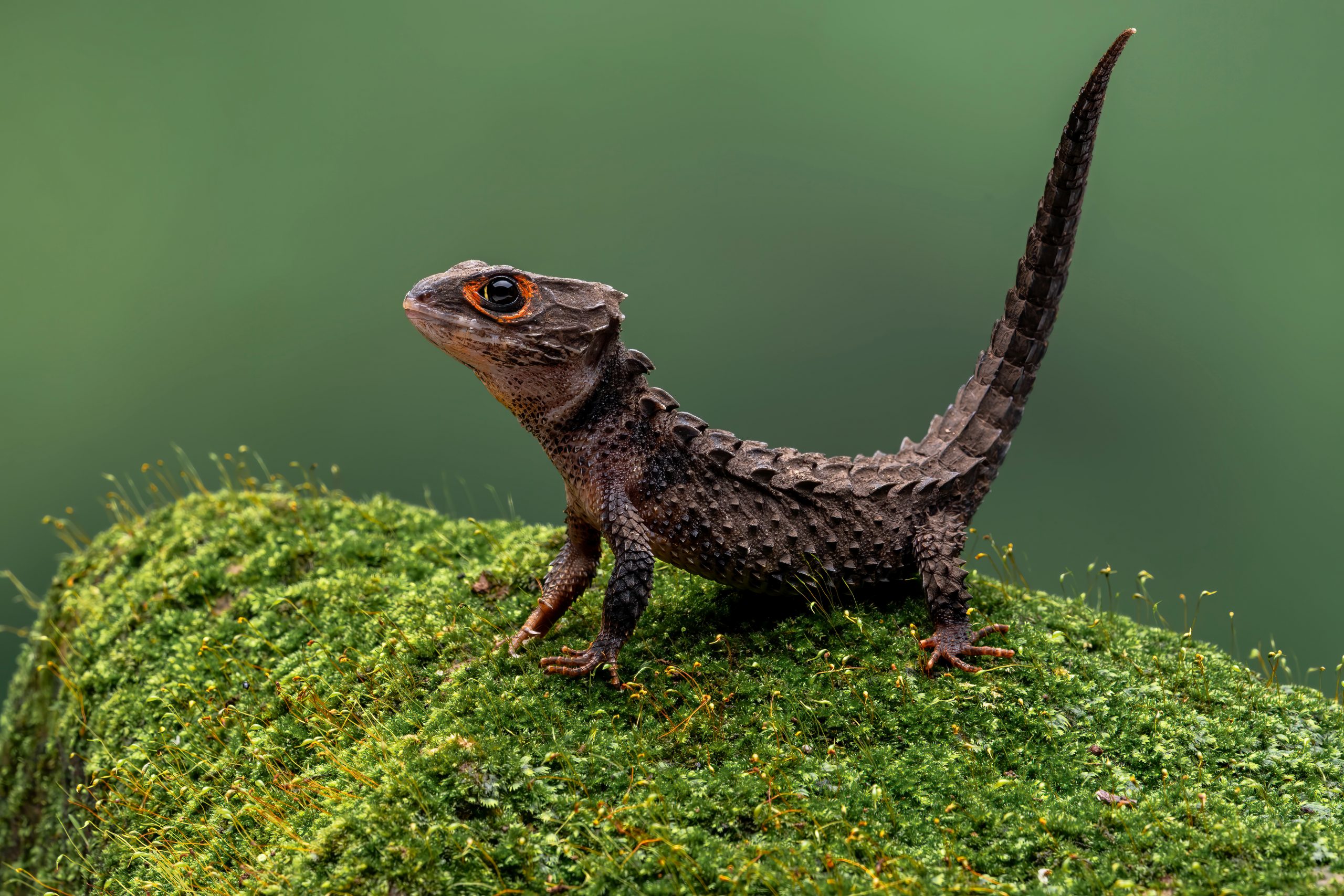
Of the eight recognised species within the genus Tribolonotus, the red-eyed crocodile skink (Tribolonotus gracilis) native to the rainforests of New Guinea, has become particularly popular among enthusiasts of exotic animals due to its small size and distinctive, “dragon-like”. appearance.
Distribution of the crocodile skink
This species is native to the humid tropical forests of New Guinea and the Admiralty Islands. Dr Nelly de Rooij, curator of the Zoological Museum of Amsterdam, first described the species under the name Tribolonotus gracilis in 1915 in Volume I of The Reptiles of the Indo-Australian Archipelago. In this work, de Rooij also mentioned a very similar-looking skink, Tribolonotus novaeguineae.
The importation of live specimens of these two species for the European and North American pet trade began in the mid-1990s. Due to deforestation in its natural habitat and the establishment of coconut plantations replacing forested areas, the species has adapted to environments inhabited by humans. As a result, the long-term survival of the species is currently not considered to be threatened.
Its “Dragon” appearance made it popular
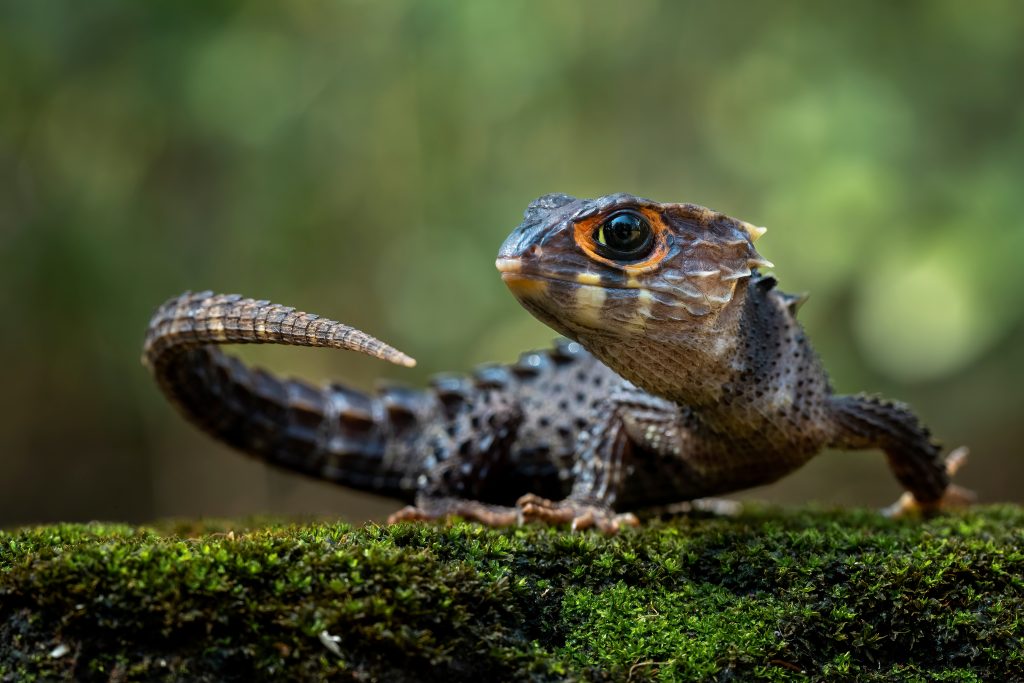
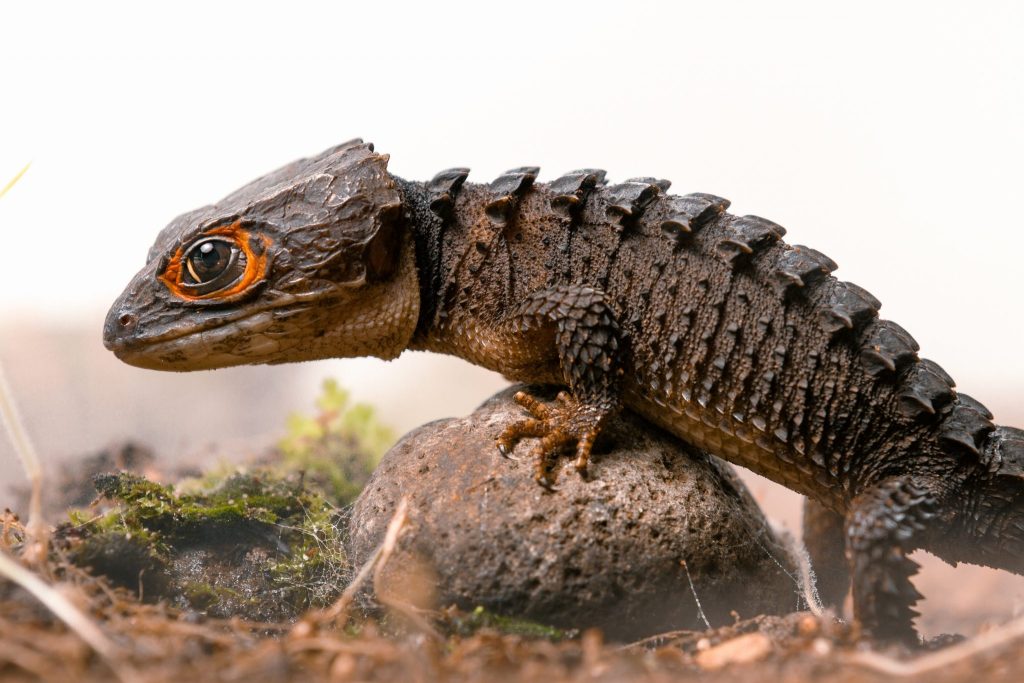
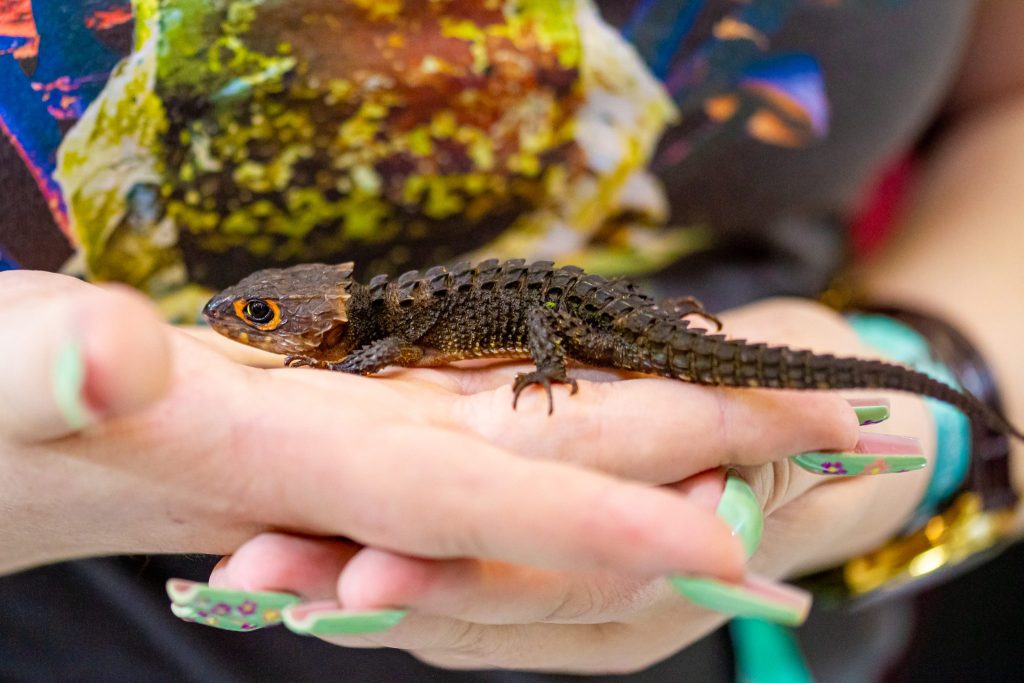
The red-eyed crocodile skink takes its name from the orange-reddish ring surrounding its relatively large eyes. It has a large, triangular head and a slender body, reflected in its scientific name, gracilis. Its total length from the tip of the snout to the end of the tail is approximately 16–20 cm. Its overall colouration is dark brown, and its back is covered with backward-curving, spine-like scales, giving it a distinctly crocodilian appearance. The underside is light and cream-coloured. These features, together with the small nodules along its sides, give the animal a strikingly dragon-like look.
The sexes are very similar in appearance, although females tend to be slightly more robust. Two characteristics can help distinguish males from females. One is the enlarged, bluish-grey plantar glands on the middle toes of the males’ hind feet, which are believed to secrete scent substances used for territory marking and individual recognition. The other distinguishing feature is the regular, rectangular, enlarged yellowish-brown scales covering the belly of males.
How to create a suitable habitat for the crocodile skink
In captivity, the crocodile skink requires a spacious, well-ventilated terrarium capable of providing conditions appropriate to its needs, including consistently high humidity. Considering its body size and its requirement for a relatively large water area, the recommended minimum terrarium size for a single adult specimen is 60 cm wide × 50 cm deep × 50 cm high.
It is best kept alone; however, based on experience, it may also be housed in pairs in a sufficiently large terrarium. Keeping two individuals of the same sex together is not recommended. For ease of maintenance, a front-opening terrarium is strongly advised.
Lighting Requirements
In the wild, the crocodile skink typically warms itself while resting in a sunlit burrow or beneath fallen wood. When furnishing the terrarium, it is important to create areas with different temperatures. During the day, the warmer, basking side should reach 27–28 °C, while the cooler side should remain at 24–25 °C. This allows the animal to regulate its own body temperature. It is not problematic if night-time temperatures drop to 21–22 °C.
Heating lamps should be selected accordingly, and temperatures on both sides of the enclosure should be monitored continuously. If the ambient night-time temperature in the home falls below these values, a light-free heat source, such as a ceramic heat emitter, will be required.
The red-eyed crocodile skink is a crepuscular species, meaning it is most active at dawn and dusk. Nevertheless, UVB lighting should also be provided, alongside appropriate vitamin D₃ supplementation. When selecting UVB lighting, the distance between the lamp and the animal must be taken into account, as in its natural habitat it is exposed only to filtered sunlight. Both heating and UVB lights should be operated for 10–12 hours during the day, replicating the natural daylight cycle.
Substrate
By selecting an appropriate substrate, it is possible to maintain ideal humidity levels while also providing a medium in which the skink can burrow, thereby reducing general stress. The most suitable substrate is one that retains moisture and resembles the soil found in the species’ natural habitat.
A mixture of coconut fibre and organic soil or potting compost is recommended and should be applied to a depth of at least 10 cm to allow the animals to dig. The surface may be covered with leaf litter, bark or moss. For hygienic reasons, the substrate should be completely replaced every three to four months, or at least twice a year. Faeces and uneaten food should be removed daily to prevent potential infections.
Terrarium furnishings
Furnishings placed within the terrarium play an important role in enriching the animal’s environment. They encourage movement and natural behaviour, contributing to the skink’s overall wellbeing. At the same time, a well-designed terrarium is visually appealing within the home.
In the wild, the crocodile skink spends much of its time in forest leaf litter, beneath fallen trees or rocks, usually close to a body of water. A lesser-known ability of this species is its capacity to climb; using its claws, it can easily grip lower branches. For this reason, suitable climbing surfaces should be provided.
If the animals are kept in pairs, they often rest together, but sufficient hiding places and resting spots must still be available. Care should be taken to preserve both bright basking areas and shaded, cooler zones. Suitable furnishings include cork bark, coconut-shell hides, non-toxic live plants, artificial plants and moss. Natural materials should be preferred wherever possible.
Water requirements
As mentioned earlier, the red-eyed crocodile skink naturally lives close to water and enjoys spending time in it. To ensure good condition and to provide drinking water, a relatively large water basin should be placed in the terrarium, allowing the animal to enter easily.
This species is extremely sensitive to dehydration, which must always be taken into account. Water should be changed regularly and the container kept clean. Ideal humidity levels are approximately 70–80% during the day and 80–100% at night. For this reason, misting the plants and substrate in the morning and evening is recommended, and additional misting during the day may also be beneficial. An automatic misting system may also be used.
Humidity levels should be monitored continuously. The hygrometer should ideally be positioned midway up the side wall on the cooler side of the enclosure, where readings are most accurate. At the same time, good ventilation is essential to prevent mould formation.
How to raise your dragon
The red-eyed crocodile skink feeds on a variety of insects, including flies, worms and small crickets. As with most reptiles kept in captivity, a varied diet is essential, and calcium and multivitamin supplementation should not be neglected.
By rotating feeder insects, keepers can maintain the animal’s interest while also ensuring a better balance of essential nutrients, supporting long-term health. Juveniles should be fed daily, while adult individuals require feeding every other day. It is important to offer appropriately sized prey items. In the author’s experience, using a separate feeding dish is advisable, as this reduces the risk of substrate being ingested along with food. Based on observations, the species primarily hunts during the early morning hours.
The red-eyed crocodile skink is very shy and rarely leaves its hiding places. Gaining its trust requires patience. It is advisable to allow several weeks for the animal to settle into its new environment before attempting to offer food with feeding tongs. Until then, food can be provided in a designated feeding area within the terrarium. This level of interaction represents the maximum that can realistically be expected. The species is recommended only for those seeking a true display animal — everything for the eyes, nothing for the hands. Otherwise, stress can have a significant negative impact on the animal.
The red-eyed crocodile skink is one of the few lizard species known to feign death or vocalise when threatened. Its vocalisations have been recorded and analysed (Hartdegen, Ruston et al., 2001), revealing the presence of acoustic sexual dimorphism, meaning that the calls of males and females differ.
Like dragons in fantasy films: They guard their eggs
Females are particularly difficult to approach after laying eggs. Unlike most lizard species, they often guard the egg with their bodies. When disturbed, they may defend themselves by biting or by producing chirping sounds.
During the egg-laying season — which in New Guinea typically begins between December and March — a female may lay up to six eggs in total. However, only one egg is laid at a time. The incubation period lasts approximately 65–75 days, which roughly coincides with the interval between successive egg-laying events.
Hatchlings have yellowish heads and blue eyes and initially lack the orange-reddish ring around the eyes, which appears at around six months of age. Although sexual maturity is reached at approximately one year, full adult size is attained later. Under appropriate captive conditions, red-eyed crocodile skinks may live for up to ten years.
References:
[1] https://reptiledatabase.reptarium.cz
[2] https://www.inaturalist.org
[3] https://reptifiles.com
[4] https://www.webmd.com
[5] https://journals.biologists.com
[6] https://www.worlddata.info
[7] https://reptilesmagazine.com
[8] https://dzen.ru