




Why does keeping a bearded dragon in summer require extra attention?
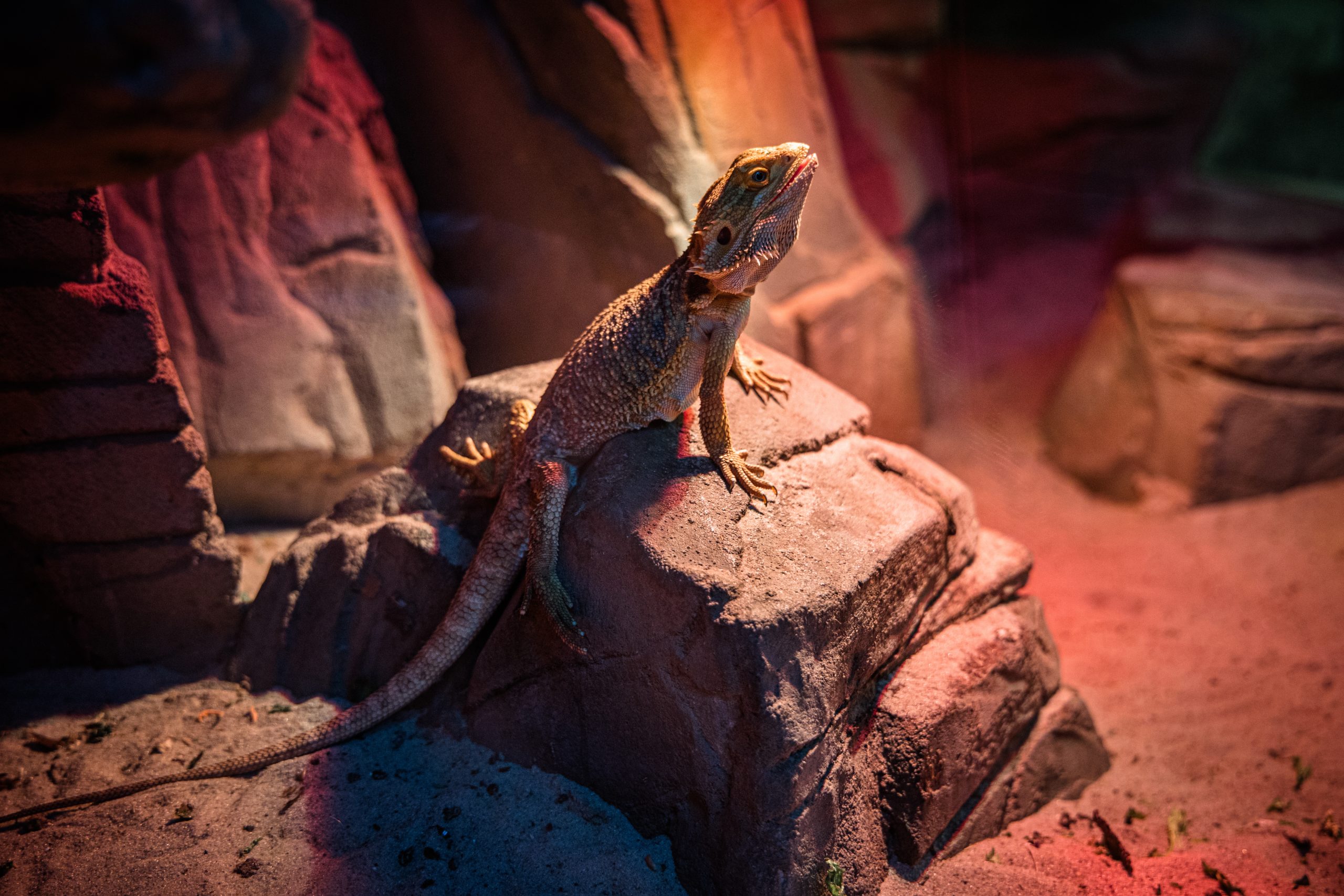
Keeping a bearded dragon in summer requires extra attention. During a heatwave, the temperature inside the terrarium can quickly reach a dangerous level. The bearded dragon (Pogona vitticeps) is a popular terrarium reptile. It is visually striking, active during the day, and shows interesting behaviour under proper keeping conditions. It is important to understand that reptiles depend strongly on their environment for body temperature regulation. They do not regulate their body temperature in the same way as mammals or birds. If the terrarium is too hot, too cold, poorly ventilated, or lacks a proper temperature gradient, health problems can develop quickly.
This is especially true during summer heatwaves, when the temperature inside the home can also rise significantly. In such conditions, the internal temperature of the terrarium can easily become dangerous, even if the setup seems suitable during the rest of the year.
The temperature of a bearded dragon terrarium during a heatwave
Bearded dragons come from dry, warm habitats in Australia. For this reason, many people mistakenly think that “the hotter, the better” for them. In reality, they can move into shade, hide in burrows, or seek cooler microclimates in the wild. In a terrarium, we must provide these options for them.
High temperatures can cause heat stress, dehydration, lethargy and loss of appetite. In severe cases, overheating can become life-threatening. If the temperature of the entire terrarium, including the cooler side, remains around 43–45 °C or rises above this range for a prolonged period, it should already be considered dangerously high. During a heatwave, it is not enough to judge the conditions “by eye”: accurate temperature measurement is essential.
Continuous temperature monitoring is recommended not only in summer, but throughout the year. The seasons can affect the terrarium’s microclimate. So can the temperature of the home, heating, air conditioning, lighting and heating equipment.
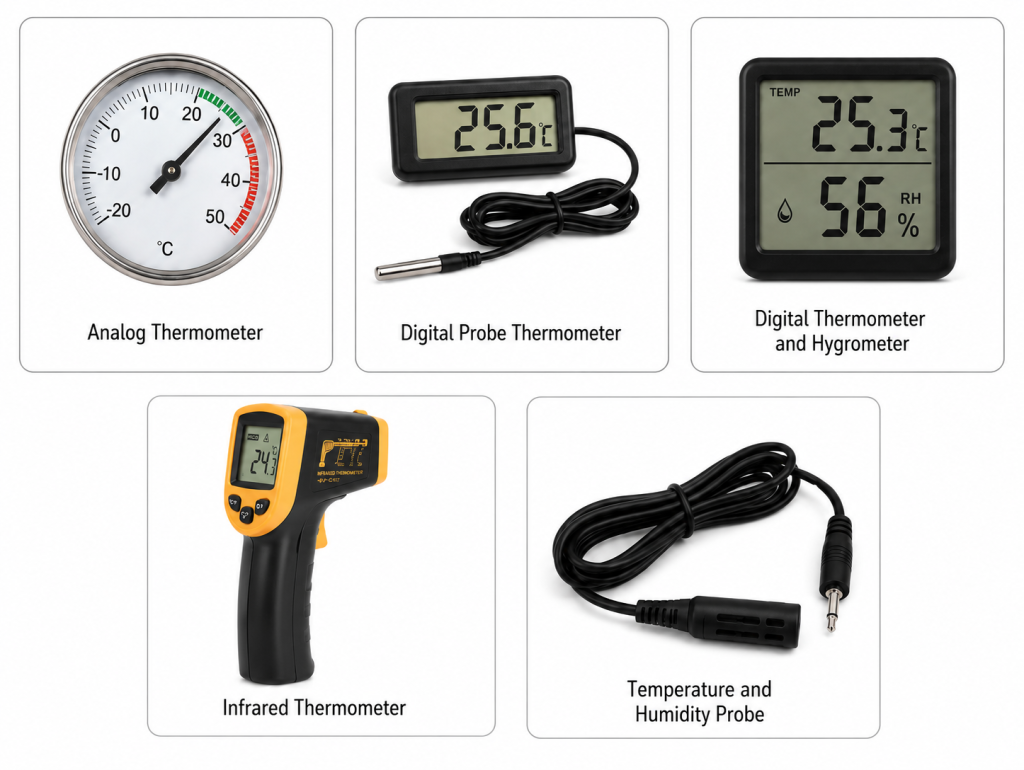
The safest approach is to measure the temperature at several points. Check the basking spot, the warmer side and the cooler zone separately. This shows whether the animal can actually choose between warmer and cooler areas.
Temperature gradient: why are warm and cool zones important?
For reptiles, there is not one single “ideal temperature”, but rather a suitable temperature range. This is called a temperature gradient. One part of the terrarium should provide a warmer basking area. The other side should offer a cooler zone. This allows the bearded dragon to regulate its body temperature through behaviour. If it wants to warm up, it moves under the lamp. If it wants to cool down, it seeks a shadier, cooler area.
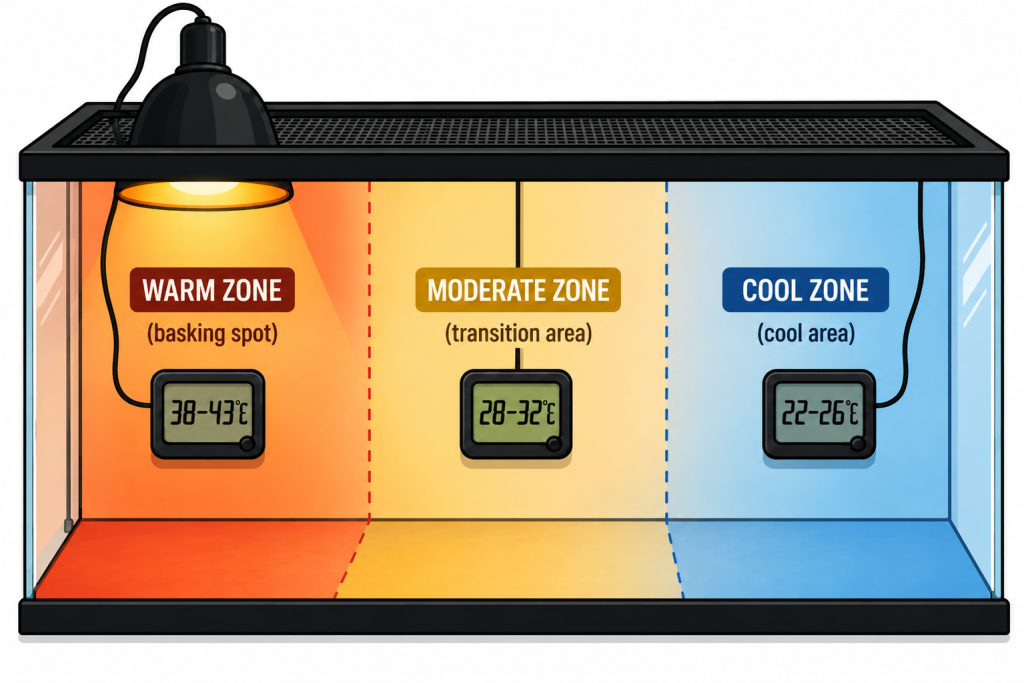
In summer, this balance can easily be disrupted. If the room air is already too warm, even the cooler side of the terrarium may no longer be truly cool. In this situation, the animal has nowhere to escape from the heat, which can cause serious stress.
Signs of overheating and heat stress in bearded dragons
A bearded dragon’s behaviour can reveal a lot about its condition. Overheating may have several warning signs. The animal may sit with its mouth open for long periods. It may move restlessly, scratch at the glass, or try to escape from the heated area. It may also appear unusually lethargic, refuse food, or hide more than usual.
An open mouth is not always abnormal in itself. Reptiles may use this behaviour in certain situations to help release heat. However, check the keeping conditions immediately if this happens often. Also check them if it lasts for a long time, occurs in an extremely hot terrarium, or appears with other symptoms.
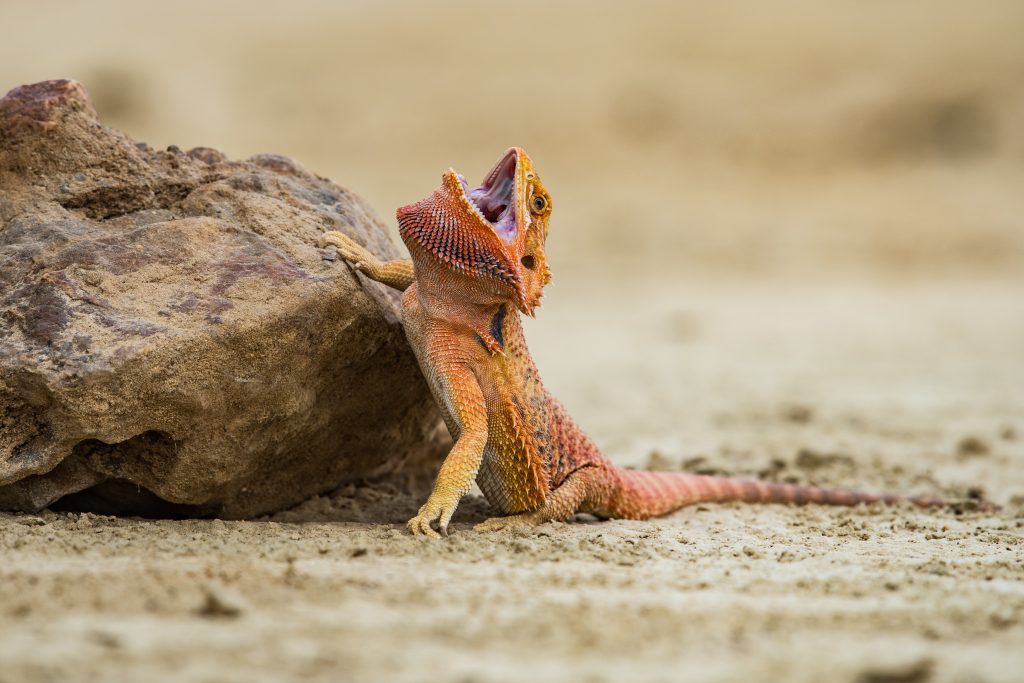
Photo: stock.adobe.com/vaclav
A terrarium that is too cold can also be dangerous when using air conditioning
Although in summer we mainly think about overheating, temperatures that are too low can also pose a health risk. If the terrarium becomes too cold at certain times of the day, digestion may slow down, the animal may lose its appetite, and over time it may become weakened.
This can happen especially when air conditioning is used in the room where the terrarium is located. The goal is not to suddenly cool down the terrarium, but to provide a stable and safe temperature range. Direct cold air, drafts, or sudden temperature fluctuations can all cause stress for the animal.
Water, humidity and hygiene during summer reptile keeping
In summer, water evaporates more quickly, bowls become dirty sooner, and conditions may become more favourable for bacterial growth. For this reason, keeping the water bowl clean is even more important during hot weather than at other times of the year. Cloudy or slimy water is not only an aesthetic issue. Water contaminated with faeces or food remains can also be a source of infection. Change the water at least once a day. Wash the bowl thoroughly and regularly. Simply topping up old, contaminated water with fresh water is not enough.
Excessively high humidity can also encourage the growth of pathogens, especially in a poorly ventilated terrarium. Proper ventilation is therefore important, but it should be provided in a way that does not create drafts or excessive cooling.
What can we do to prevent a bearded dragon from overheating?
Keeping a bearded dragon in summer is not only about providing the right lighting and feeding routine, but also about continuously monitoring the terrarium’s microclimate. During summer heatwaves, it is worth measuring the terrarium temperature several times a day. Do not rely only on the room thermometer, because the internal temperature of the terrarium may differ significantly from the room temperature due to lighting, glass surfaces, ventilation, and the terrarium setup itself.
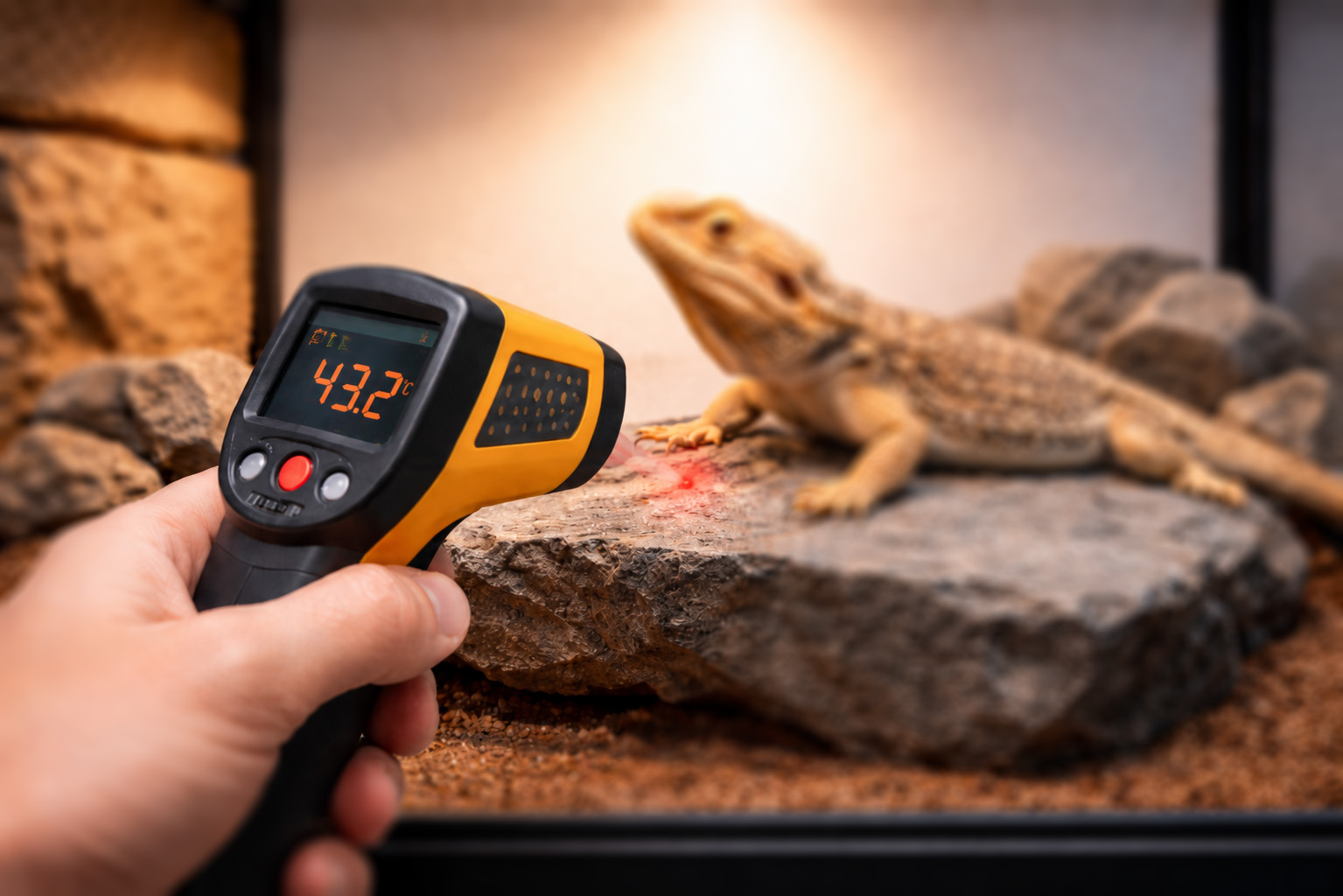
Ensuring proper access to water is also particularly important. Fresh, clean drinking water should always be available, especially during hot weather, when the risk of dehydration increases. The water bowl should be checked daily, the water should be changed several times if necessary, and the bowl should be cleaned regularly to help prevent bacterial growth.
It is important that the terrarium is not placed in direct sunlight, especially near a window, because the greenhouse effect can cause it to overheat very quickly.
There should always be a shaded hiding place and a genuinely cooler zone in the terrarium where the animal can retreat. Fans or air conditioning should be used with caution. The aim is to safely reduce the room temperature, not to expose the animal directly to cold air. Sudden temperature changes can be just as stressful as prolonged overheating.
When should you contact a veterinarian?
If the bearded dragon is lethargic, does not react as usual, refuses food, appears to have sunken eyes, seems weak, has diarrhoea, does not defecate, or is suspected of having overheated, it is advisable to contact a reptile-experienced veterinarian as soon as possible.
Recognising husbandry problems early can often help prevent more serious illnesses, but once symptoms appear, it is not advisable to rely only on home remedies. Fast and professional help can be life-saving.
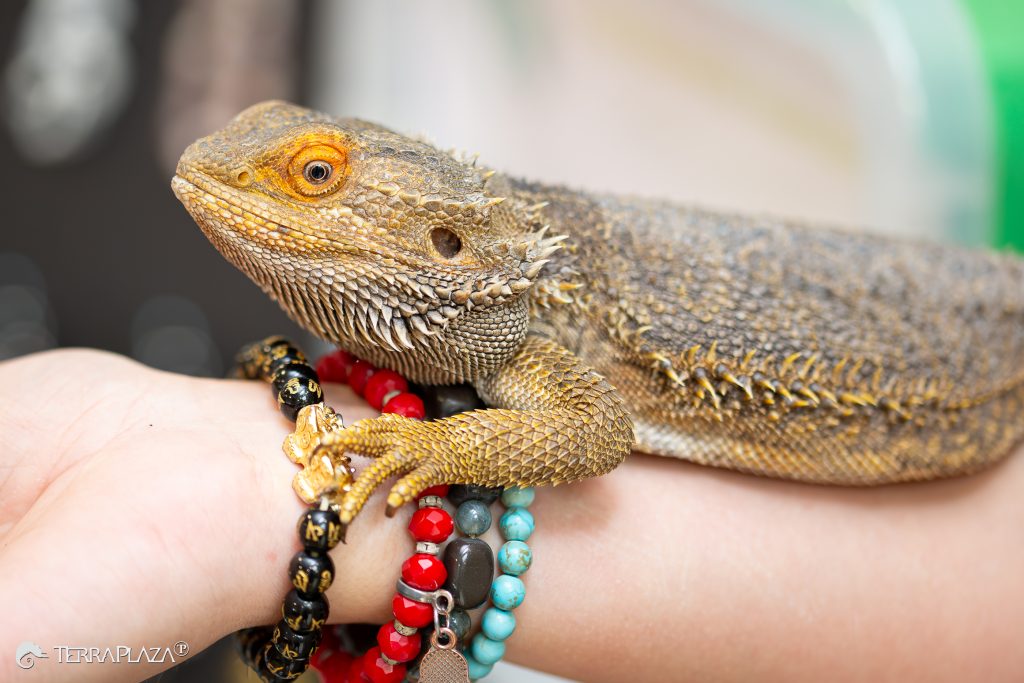
Photo: Borbála Sűtő-Nagy
Summary
The health of a bearded dragon is closely linked to the microclimate of its terrarium. Proper temperature, clean water, safe substrate, good ventilation, and regular observation are all essential parts of responsible animal keeping.
During the summer heat, it is especially important to think not only of ourselves, our dogs, and our cats, but also of our terrarium-dwelling pets. For them, overheating can develop invisibly, quickly, and dangerously. A well-set-up and regularly monitored terrarium, however, provides not only greater safety but also a healthier life in the long term.
