


Close Menu
TerraPlaza magazin
  • Reptiles
    • Lizards
      • Geckos
      • Chameleons
      • Skinks
      • Agamids
      • Monitors
  • Amphibians
  • Arthropods
  • Fun facts
  • English
    • English
    • Magyar

Subscribe to Updates

Get the latest creative news from FooBar about art, design and business.

What's Hot

Boa constrictor imperator hunting

2026.10.07.

Heterometrus species: Asian forest scorpions

2026.10.07.

Panther chameleon courtship

2026.10.07.
Facebook X (Twitter) Instagram
TerraPlaza magazin
  • Reptiles
    1. Lizards
    2. Geckos
    3. Chameleons
    4. Skinks
    5. Agamids
    6. Monitors
    7. View All

    Veiled chameleon in the terrarium: how to create a suitable environment for it

    2026.08.25.

    Eight thousand ways to be a lizard: Celebrating World Lizard Day!

    2026.08.14.

    The giant Madagascar day gecko (Phelsuma grandis)

    2026.07.26.

    Earless monitor lizard – A mysterious rarity of the reptile world

    2026.07.09.

    The giant Madagascar day gecko (Phelsuma grandis)

    2026.07.26.

    Veiled chameleon in the terrarium: how to create a suitable environment for it

    2026.08.25.

    Fire skink: The secretive lizard of the West African forests

    2026.06.17.

    Crocodile skinks as companion animals

    2026.01.07.

    Earless monitor lizard – A mysterious rarity of the reptile world

    2026.07.09.

    Armored companions: tortoises in herpetoculture

    2026.09.23.

    Veiled chameleon in the terrarium: how to create a suitable environment for it

    2026.08.25.

    Eight thousand ways to be a lizard: Celebrating World Lizard Day!

    2026.08.14.

    The giant Madagascar day gecko (Phelsuma grandis)

    2026.07.26.
  • Amphibians

    Pacman frogs: enormous mouths and lightning‑fast strikes

    2026.09.14.

    Axolotl: The Creature That Never Grows Up – Regeneration, Myths and Survival

    2026.05.04.
  • Arthropods

    Disguised as flowers, leaves, or twigs: the many faces of praying mantises

    2026.08.18.

    Habitats and ecological adaptations of arthropods

    2026.08.10.

    Are Springtails the Most Common Terrarium Animals?

    2021.01.12.
  • Fun facts

    Boa constrictor imperator hunting

    2026.10.07.

    Heterometrus species: Asian forest scorpions

    2026.10.07.

    Panther chameleon courtship

    2026.10.07.

    Leopard gecko eyelid

    2026.10.07.

    Hongslo’s dwarf cichlid: Bright colors from the Orinoco waters

    2026.10.07.
  • English
    • English
    • Magyar
Facebook Instagram YouTube
TerraPlaza magazin
Home»Fun facts
Fun facts

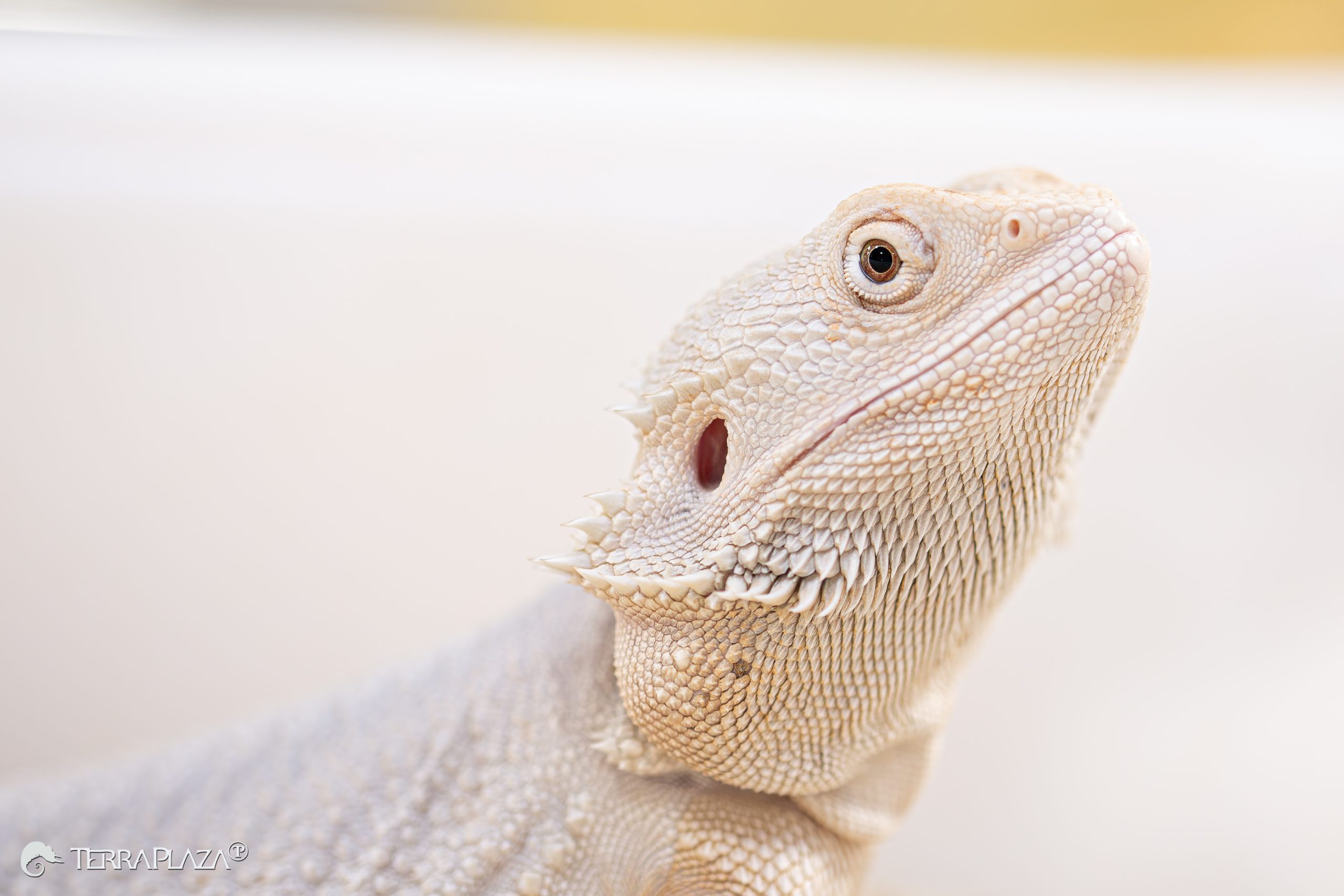
Bearded dragon body language: What do their movements mean?

Farkas M. VivienBy Farkas M. Vivien2026.07.09.No Comments1 Min Read
Szakállas agáma testbeszéde fejmozgással és szemkontaktussal
Share
Facebook Twitter LinkedIn Pinterest Email

Bearded dragon (Pogona vitticeps) body language plays an important role in communication between individuals. These reptiles do not rely mainly on sounds. Instead, they use visible movements and body posture to signal to each other. Fast head movements often express dominance, especially in males. They can also appear during courtship, when the animal is showing its presence and intention. Tense skin or a firm body posture may be a warning sign. In these moments, the animal is usually signaling that it wants more distance. Eye contact can also reveal a lot. A dominant individual often holds its gaze, while a more submissive one may look away or turn aside. Slower, calmer movements can indicate a more peaceful state. A slow neck stretch, for example, may show a friendlier intention.

By observing them carefully, we can learn a lot from the behavior of bearded dragons. Their movements often reveal their mood and their relationship with each other.

animal communication bearded dragon bearded dragon body language body language exotic animals eye contact head bobbing lizard behavior reptile behavior TerraPlaza
Share. Facebook Email
Previous ArticleThe breathing of the Siamese fighting fish
Next Article They have existed for more than 400 million years!
Farkas M. Vivien
Farkas M. Vivien

Related Posts

Boa constrictor imperator hunting

2026.10.07.

Heterometrus species: Asian forest scorpions

2026.10.07.

Panther chameleon courtship

2026.10.07.

Leopard gecko eyelid

2026.10.07.

Comments are closed.


TerraPlaza Expo
picks
Ezt már olvastad?
Fun facts

Boa constrictor imperator hunting

By Farkas M. Vivien2026.10.07.

Boa constrictor imperator does not use venom, but catches prey with its teeth and subdues it with powerful muscles.

Heterometrus species: Asian forest scorpions

2026.10.07.

Panther chameleon courtship

2026.10.07.

Leopard gecko eyelid

2026.10.07.
Rólunk

Természetszeretet és felelős állattartás naprakész információkkal – terrarisztika és akvarisztika szakportál. Hogy kedvenceidnek minél boldogabb élete legyen.

Email: info@terraplaza.hu
Tel: +36 20 4757271

 
    TerraPlaza magazin
    Facebook Instagram YouTube Discord
    Copyright © 2026 TerraPlaza ®

    Type above and press Enter to search. Press Esc to cancel.

    A jobb felhasználói élmény érdekében az oldalon cookie-kat használunk. Oldalunk használatával, Ön elfogadja a cookie-k használatát.