




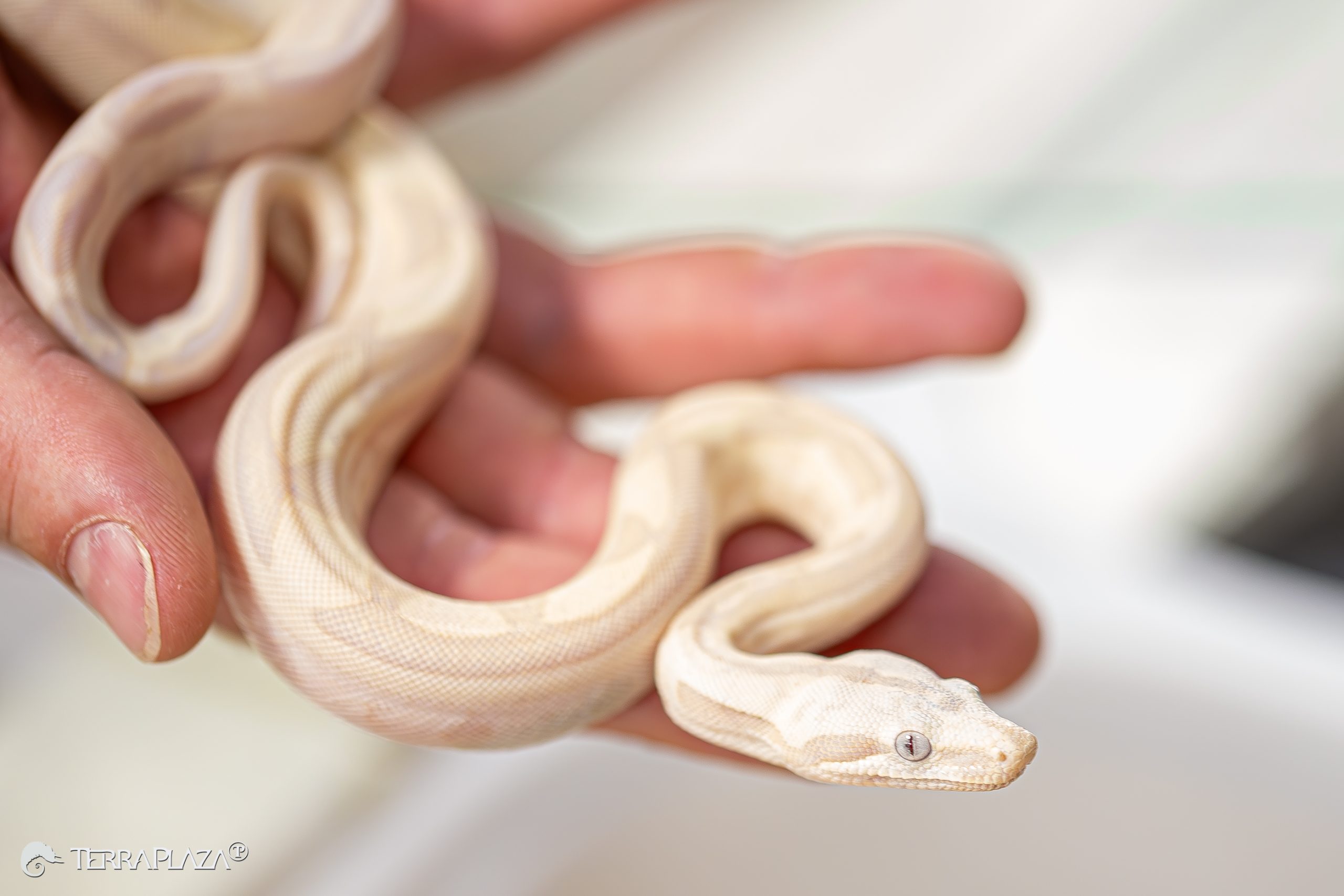
A new reptile’s arrival is always an exciting moment. Whether it comes from a breeder, a retailer, a reptile expo, or another keeper, it’s only natural that the owner wants to see their new pet settled into its fully furnished, permanent enclosure as soon as possible.
However, in responsible animal keeping, the first step is not the impressive display terrarium, but a safe period of observation. This is what we call quarantine. If you already keep multiple animals, this step is essential for protecting your existing collection.
The purpose of quarantine is to allow the new animal to settle in calmly while the keeper monitors its health, behaviour, appetite, and any potential hidden issues.
What is quarantine?
Reptile quarantine refers to the isolated housing of a newly arrived animal for a specified period of time. During this period, the animal does not come into direct contact with the reptiles or amphibians already kept at home. Ideally, it should be placed in a separate room, or at least in a clearly segregated area, using temporary accommodation.
The purpose of quarantine is twofold. First, it protects the existing collection from potential infections, parasites, or other health‑related issues. Second, it provides an opportunity for the new animal to acclimate to its new environment in a less stressful setting.
Many problems are not immediately visible at the moment of purchase. A reptile may appear active, well‑conditioned, and seemingly healthy, yet still carry external or internal parasites, latent infections, nutritional issues, or stress symptoms resulting from transport.
Why is quarantine important when a new reptile arrives?
A new animal often undergoes several types of stress within a short period of time. These may include transport, changes in environment, new smells, sounds, lighting conditions, and husbandry parameters. Stress can temporarily weaken the animal’s immune competence and may bring underlying issues to the surface that were not noticeable before.
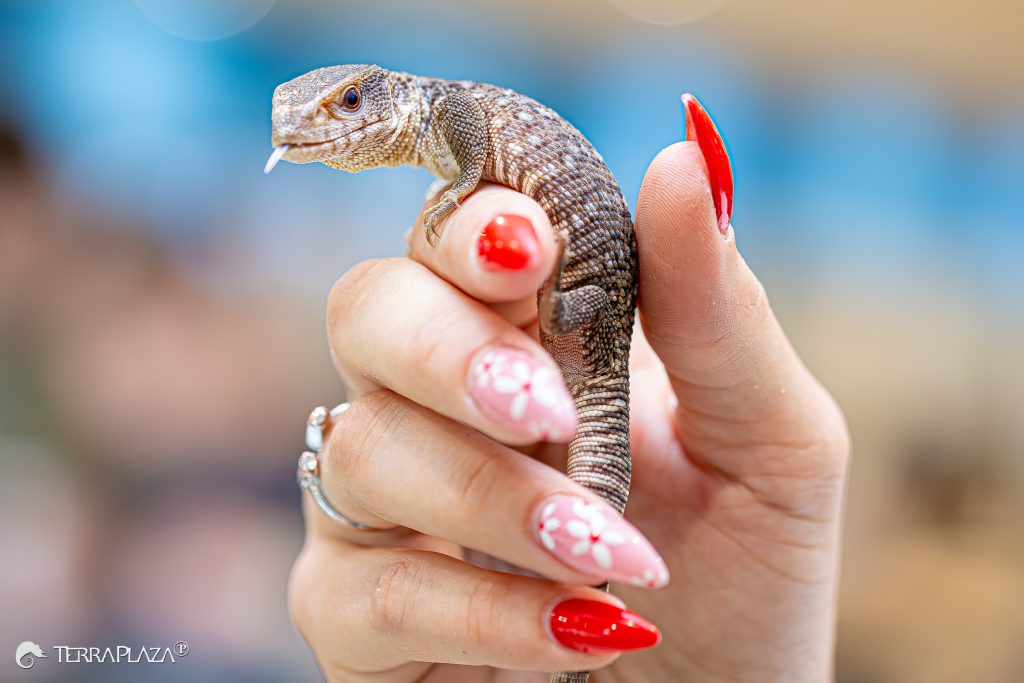
During quarantine, it is easier to observe whether the animal is eating properly, defecating normally, how it moves, whether its shedding proceeds as expected, and whether it shows any respiratory, dermatological, or behavioural symptoms. In a simpler, well‑structured quarantine enclosure, feces, leftover food, mites, or other abnormalities are also easier to detect.
This is especially important if the keeper already has multiple animals at home. Even a single newly arrived individual that appears asymptomatic can pose a risk to the existing collection if placed near them without prior observation.
Captive‑bred or wild‑caught, why does origin matter?
When purchasing a new reptile, not only the species, age, and current condition are important, but also where the animal comes from. A verified captive‑bred individual from a breeder presents different risks than a wild‑caught specimen.
Captive‑bred reptiles are generally better adapted to human proximity, the terrarium environment, and commonly used feeder animals. They still require quarantine, as stress, transport, husbandry errors, parasites, or hidden illnesses may occur in their case as well. However, the background of an animal from a reliable breeder is usually easier to trace: its age, feeding history, shedding, origin, and any previous health records may be known.
For wild‑caught animals, quarantine is especially important. These individuals are often exposed to greater stress, may have more difficulty adapting to captivity, and more frequently carry internal or external parasites. They may be less willing to accept commonly used feeder animals, may have sustained injuries during capture or transport, and their overall condition may be weaker. For them, a longer observation period, fecal examination, and—if necessary—veterinary assessment by a practitioner experienced with exotic species are particularly recommended.
Origin is also relevant from a conservation perspective. In some species, purchasing wild‑caught specimens may indirectly contribute to the decline of natural populations or the persistence of illegal trade.
Therefore, before buying an exotic animal, it is always advisable to ask about its origin, the required documentation, and whether it is captive‑bred or wild‑caught.
Responsible decision‑making means that, whenever possible, it is advisable to choose a verified captive‑bred individual from a reliable source. At TerraPlaza events, exhibitors are required to clearly indicate the origin of the animal on the transport container, making it easier for buyers to obtain accurate information about the background of the specimen they intend to purchase.
What should a quarantine terrarium be like?
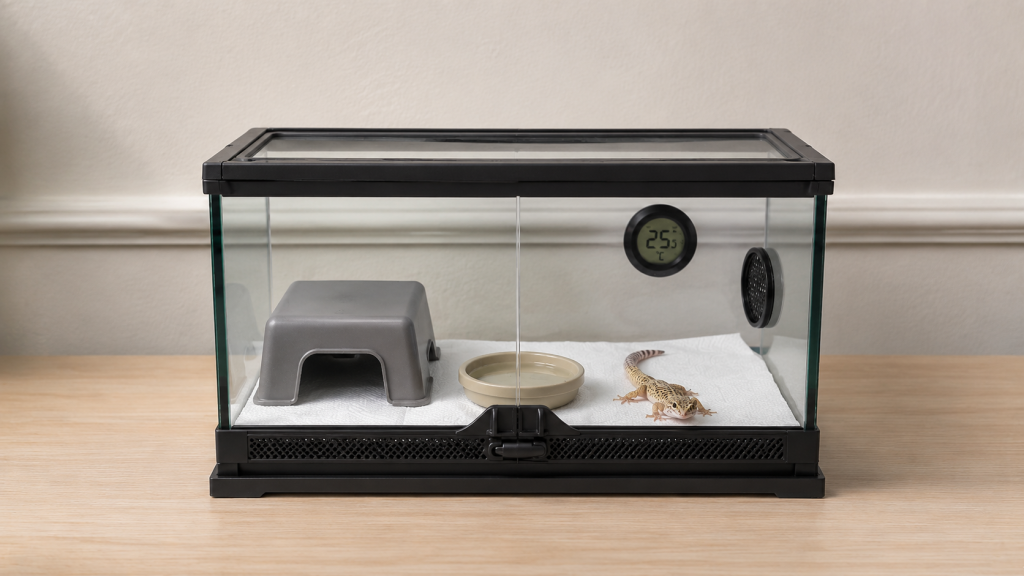
In a quarantine terrarium, the most important aspects are not decorative elements but cleanability, visibility, and safety. Temporary housing should be easy to disinfect, simple to monitor, and at the same time provide the basic needs of the given species.
Proper temperature, humidity, hiding place, drinking water, ventilation, and UVB lighting when required are essential. Quarantine must not mean that the animal is kept under poorer conditions. Rather, it means that the environment is simpler, easier to keep clean, and more suitable for close observation.
Excessive decoration, deep substrate, or heavy, difficult‑to‑move furnishings can make monitoring more difficult. In such cases, feces, leftover food, mites, or possible injuries are harder to detect. The goal is to create a temporary environment where the animal is safe and the keeper can accurately track its condition.
What should be monitored during quarantine?
One of the most important aspects of quarantine is regular observation, but this does not mean constant disturbance. Give the animal time to settle, be patient, and during the first few days maintain only the absolutely necessary level of contact. After arriving home, offering fresh drinking water is sufficient; feeding should not be forced immediately. In the following days, it is advisable to observe whether the animal accepts food, how frequently it eats, and how active it is during feeding. The quantity, consistency, and frequency of feces can also reveal a great deal about the animal’s condition.
It is important to observe movement, posture, and respiration as well. Suspicious signs may include laboured breathing, breathing with an open mouth, wheezing sounds, noticeable weakness, uncoordinated movement, or unusual apathy. The skin, scales, eyes, and mouth area should also be checked for abnormalities such as wounds, swelling, discoloration, mites, or shedding issues.
It can be useful to record feeding times, the amount of food consumed, shedding, and defecation. A simple observation log can help identify changes that might otherwise go unnoticed.
Hygiene and separation
Quarantine is only effective if hygiene protocols are followed. It is advisable to use separate tools for the new animal: separate feeding tongs, a separate water dish, and separate cleaning equipment.
If multiple animals are kept at home, the order of care also matters. Always begin with the long‑established, healthy animals, and leave the newly arrived individual in quarantine for last. This reduces the likelihood of transferring potential pathogens or parasites from one enclosure to another.
After any contact, handwashing and cleaning of tools are recommended. If signs of illness or parasitic infection appear in the animal, even greater attention must be paid to disinfection and strict separation.
When should we seek veterinary assistance?
Not every problem can be resolved through at‑home observation. The help of an exotic veterinarian experienced with reptiles is necessary if the animal consistently refuses food, loses weight rapidly, has difficulty breathing, suffers from diarrhea, produces bloody or abnormal feces, appears noticeably weak, or shows wounds, swellings, mites, or severe shedding issues. It is advisable to find out in advance whom you can turn to if a problem arises.
For wild‑caught or uncertain‑origin animals, fecal examination can be particularly useful, as internal parasites are often not visible externally. It is important to apply medication only on veterinary recommendation, because reptiles can react sensitively to inappropriate treatments or incorrect dosages.
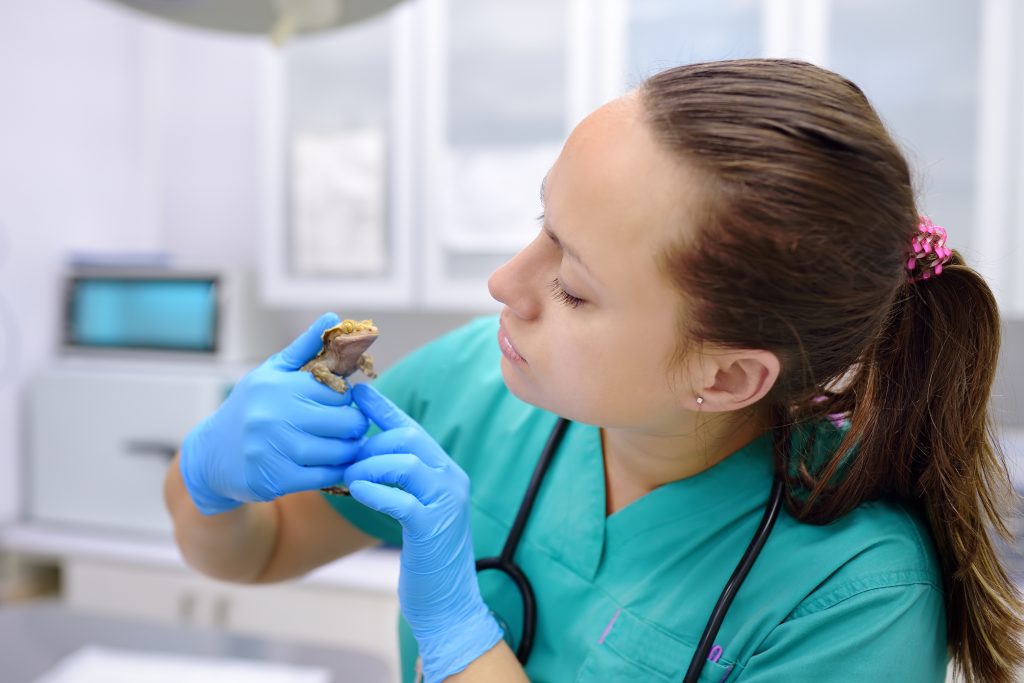
Photo: Maria Sbytova.stock.adobe.com
Early veterinary examination can often prevent more serious problems and help ensure that the new animal can be safely integrated into the husbandry system.
How long should quarantine last?
The duration of quarantine depends on the species, the animal’s background, origin, and health status. In general, an observation period of at least several weeks is recommended, but many experienced keepers apply a longer quarantine, even 60–90 days.
For wild‑caught, uncertain‑origin, or poorer‑condition animals, a longer quarantine may be particularly justified. If any symptoms indicating illness appear, the period of separation may need to be extended, and it is advisable to seek the assistance of a veterinarian experienced with reptiles.
Quarantine can be considered successful when the animal eats consistently, defecates normally, shows no external parasites, sheds properly, and its behaviour, movement, and respiration appear healthy.
Patience pays off in the long term. A well‑conducted quarantine can protect the new animal, the existing collection, and the keeper from many later problems. Those who dedicate time to this observation period are not only caring responsibly for their new pet, but also protecting their already established animals.
