





A tiny gecko appeared on building walls and beneath roof eaves at night in Borneo’s misty mountains. Yet it remained unknown to science until 2026. The discovery of Lepidodactylus crockerensis has added another species to our knowledge of reptiles. Moreover, it has shown that even well-studied areas can still hold surprises.
A tiny Gecko in the Mist-Shrouded Mountains
The Crocker Range lies in Sabah, in the Malaysian part of Borneo. This mountain range is known for its remarkable wildlife and diverse highland habitats. Near Gunung Alab, researchers noticed a gecko that could easily be mistaken for other known species.
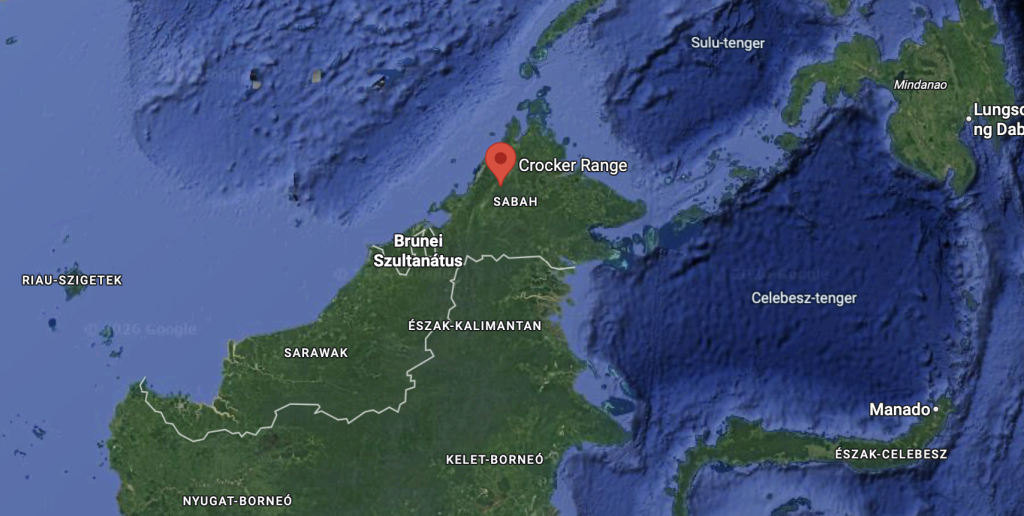
The specimen used as the basis for the new species’ scientific description was collected by herpetologist Evan S. H. Quah on 23 August 2025. He found it near an old mountain building at an elevation of 1,909 metres above sea level.
The geckos were observed at night in cool, humid and misty conditions. Air temperatures were only around 14–16 °C. The animals also appeared on building walls and beneath roof eaves. There, they were presumably hunting insects attracted by artificial lights. (Sources: 2, 3)
How do scientists identify a new gecko species?
The researchers first needed to establish whether the observed animals belonged to a previously undescribed species. This was not straightforward. In fact, Lepidodactylus crockerensis closely resembles Lepidodactylus ranauensis, another gecko found near Mount Kinabalu in Borneo.
Therefore, the research team carried out genetic and morphological analyses. DNA studies revealed that the geckos from the Crocker Range represent a distinct evolutionary lineage. This lineage is separate from that of their closest relative.
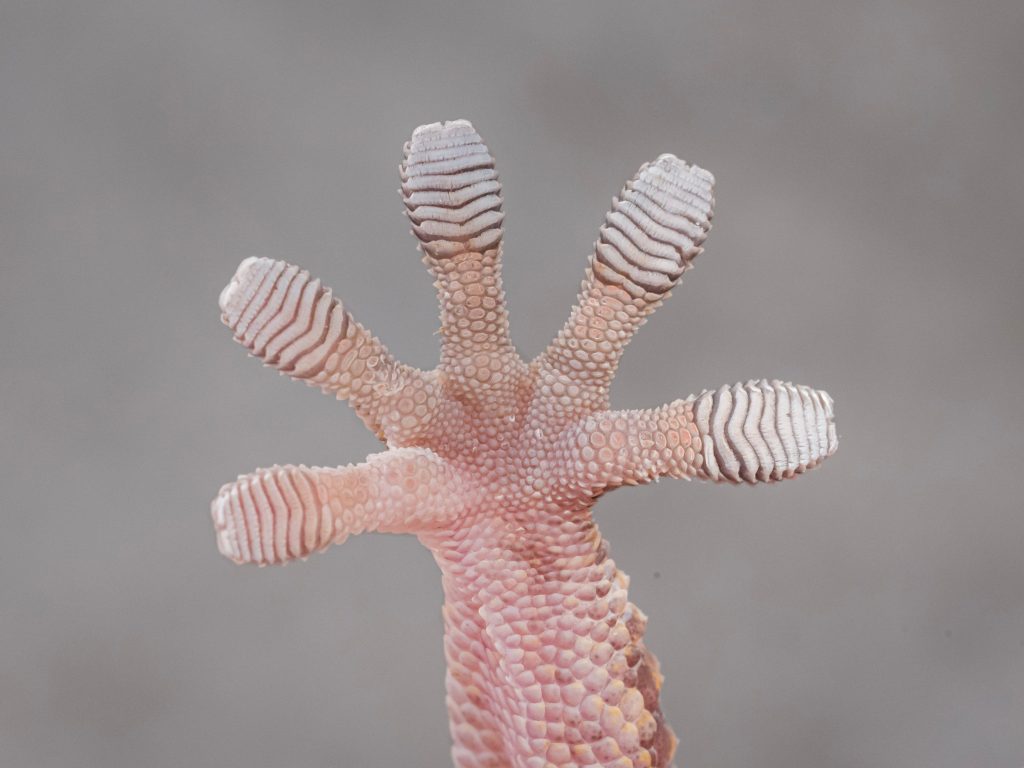
The genetic findings were also supported by differences in physical characteristics. For example, researchers identified variations in body proportions and the scales beneath the toes. The new species has 10–14 subdigital lamellae on the underside of its fourth toe. However, its identification did not depend on a single feature. Instead, the researchers considered a combination of anatomical characteristics.
Based on this evidence, the researchers formally described the animal as a separate species. The scientific description of Lepidodactylus crockerensis was published in the journal Zootaxa on 22 September 2026. The study was authored by Evan S. H. Quah, Aderina Dukit, Fred Y. Y. Tuh and L. Lee Grismer. (Sources: 1, 3)
Interestingly, Lepidodactylus crockerensis became only the third species of the genus Lepidodactylusrecorded from Borneo.
Two mountain ranges, two different evolutionary histories
One particularly fascinating aspect of the discovery is the distance between the two related species. The known habitat of the new gecko lies only around 36 kilometres from that of its closest relative. This distance may not seem significant to us. However, the lower-altitude habitats separating the two areas can present serious barriers to animals adapted to mountain environments.
Geographical isolation is an important factor in evolution. When genetic exchange between two populations remains limited over a long period, differences can gradually accumulate. These changes may result from natural selection, mutations and other evolutionary processes. In some cases, they can eventually lead to the formation of separate species.
Therefore, comparing the geckos of the Crocker Range and Mount Kinabalu was more than a question of classification. The discovery also provides insight into the evolutionary history of Borneo’s mountain wildlife.
What do we know about the new species and what remains unknown?
Although Lepidodactylus crockerensis is now officially recognised as a distinct reptile species, much of its lifestyle remains unknown. Based on the available scientific evidence, the species has so far been recorded only in the Gunung Alab area. However, it may also inhabit other locations at similar elevations. Further field studies are needed to confirm this possibility. (Sources: 2, 3)
Gunung Alab (Mount Alab): This mountain is part of Crocker Range Park, the largest terrestrial park in Sabah. It lies approximately 60 km from Kota Kinabalu, or around two hours away by car.

The population size and full geographical distribution of the new species remain unknown. Furthermore, researchers have yet to establish the specific ecological conditions that influence its survival. For this reason, the authors of the species description recommended a Data Deficient (DD) classification for conservation assessment.
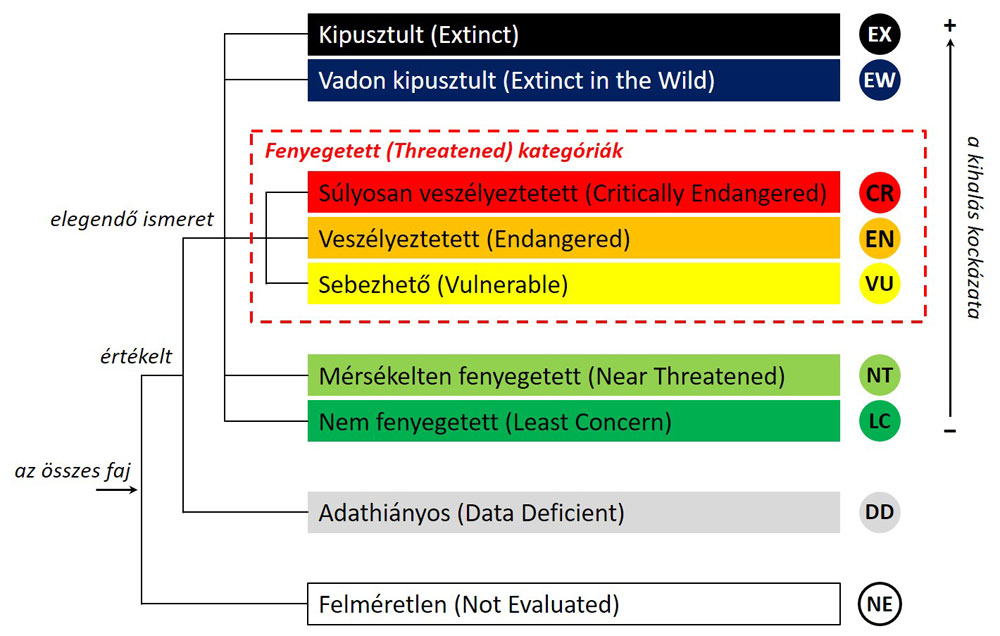
Importantly, this does not mean that the species has been classified as threatened. Rather, Data Deficient indicates that there is currently insufficient information to assess its extinction risk reliably. Therefore, the discovery of the new species is only the beginning. Further research could focus on its natural habitat, geographical distribution and ecological requirements.
Why does the discovery of one tiny gecko matter?
Describing a new species means far more than simply adding another scientific name to a database.
Every such discovery contributes to a more accurate understanding of biodiversity. Identifying species also helps researchers investigate evolutionary relationships and processes. In addition, it can reveal the geographical factors that have shaped the diversity of life we see today.
This knowledge is particularly important for nature conservation. After all, protecting a species in the long term requires knowing that it exists. We must also understand where it lives and which environmental conditions it needs to survive.
The work of the Bornean research team also highlights the importance of traditional field observations, zoological collections and modern genetic techniques. The specimens used to describe the new species were deposited in the BORNEENSIS zoological collection at Universiti Malaysia Sabah. As a result, they will remain available for future scientific research. (Source: 2)
How much more could be hiding in plain sight?
The story of Lepidodactylus crockerensis is particularly fascinating because the researchers did not discover it in a completely inaccessible wilderness. Instead, they found a species previously unknown to science right beside buildings used by people.
Many organisms may still be waiting to be formally recognised as distinct species. They could be living in forests, mountains and islands around the world. Some may have unusual appearances that immediately attract attention. Others, however, may look so similar to their known relatives that they remain unnoticed.
Sources
- Quah, E. S. H., Dukit, A., Tuh, F. Y. Y. & Grismer, L. L. (2026). A new species of Lepidodactylus (Squamata: Gekkonidae) from North Borneo, with additional morphological data for L. ranauensis Ota & Hikida, 1988.Zootaxa, 5881(3), 327–349. DOI: 10.11646/zootaxa.5881.3.2
- Universiti Malaysia Sabah (24 September 2026). Hidden in the Mist: UMS Scientists Discover Gecko Species New to Science in Sabah’s Crocker Range.
- Lepidodactylus crockerensis Quah, Dukit, Tuh & Grismer, 2026. The Reptile Database – Species Profile.
- The Straits Times: Scientists in Malaysia discover gecko species unknown to science in Sabah.
