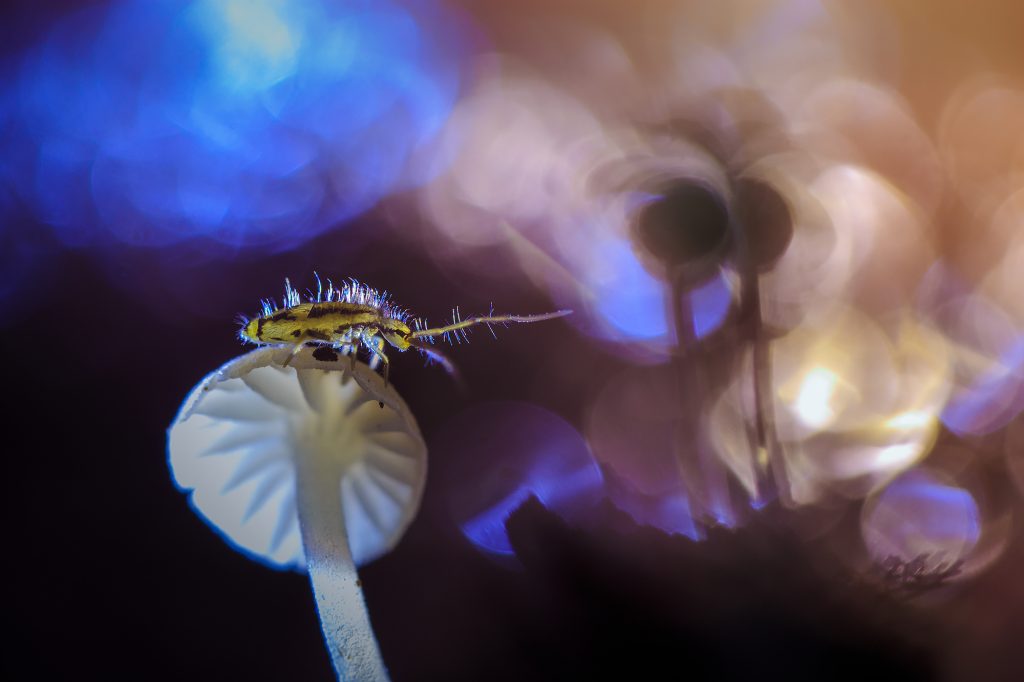




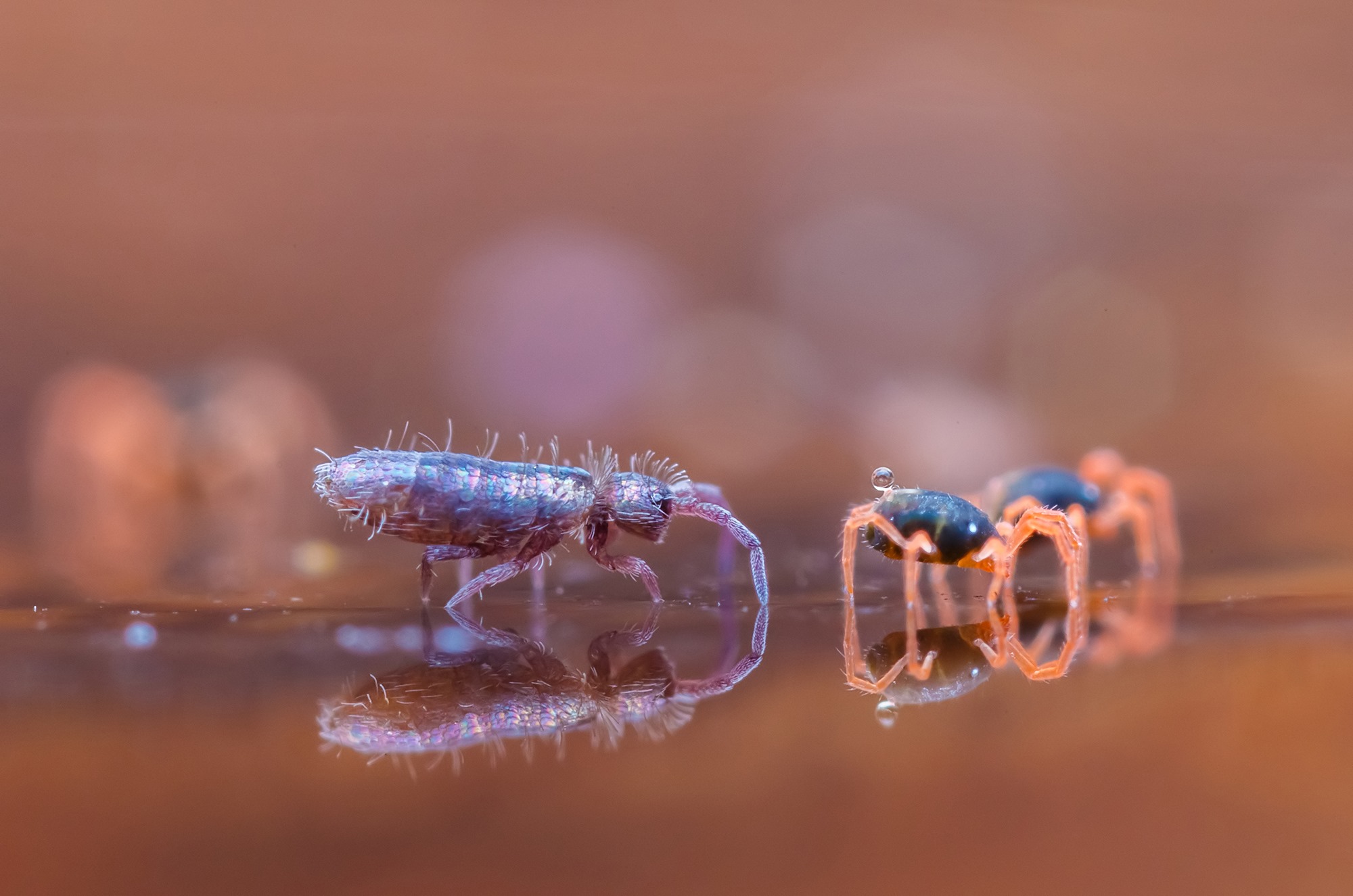
Springtails (Collembola) are tiny yet remarkable arthropods whose evolutionary history spans almost the entire terrestrial phase of life on Earth. These ancient creatures were among the very first animals to colonize dry land, and their success has continued unabated ever since. Today, they have adapted to virtually every environment where organic matter is present, making them almost ubiquitous in terrariums worldwide.
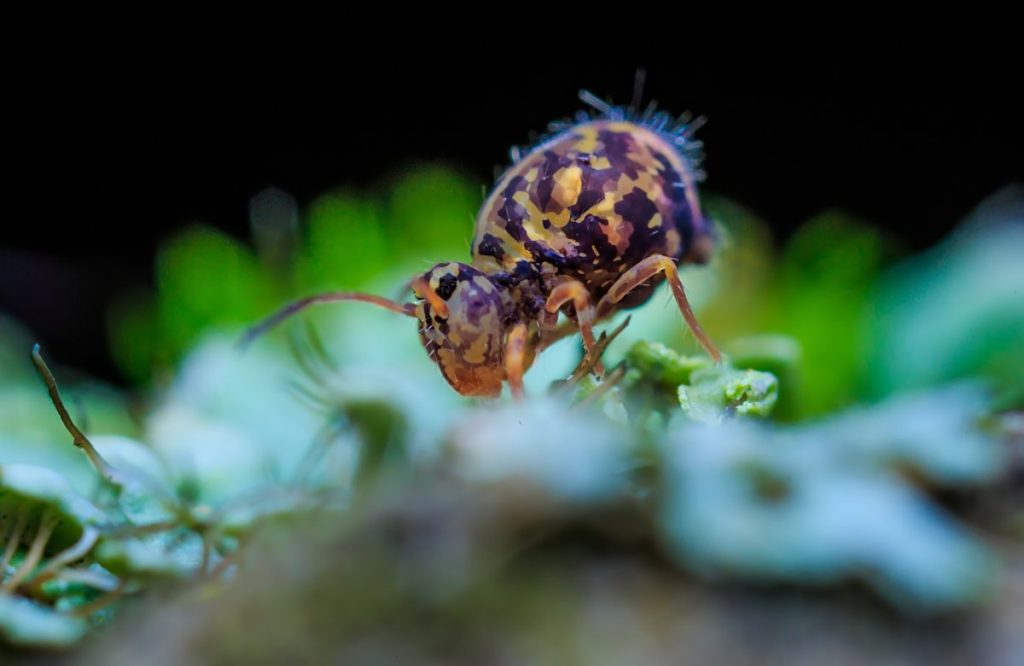
– Photo: Ujvári Zsolt
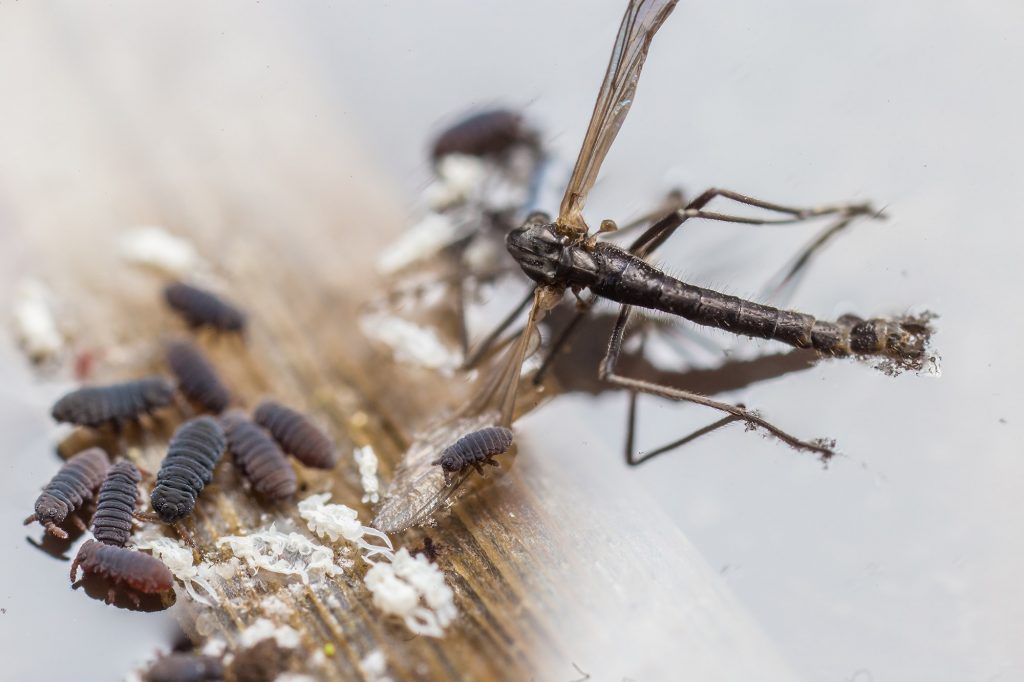
Photo: Zsolt Ujvári
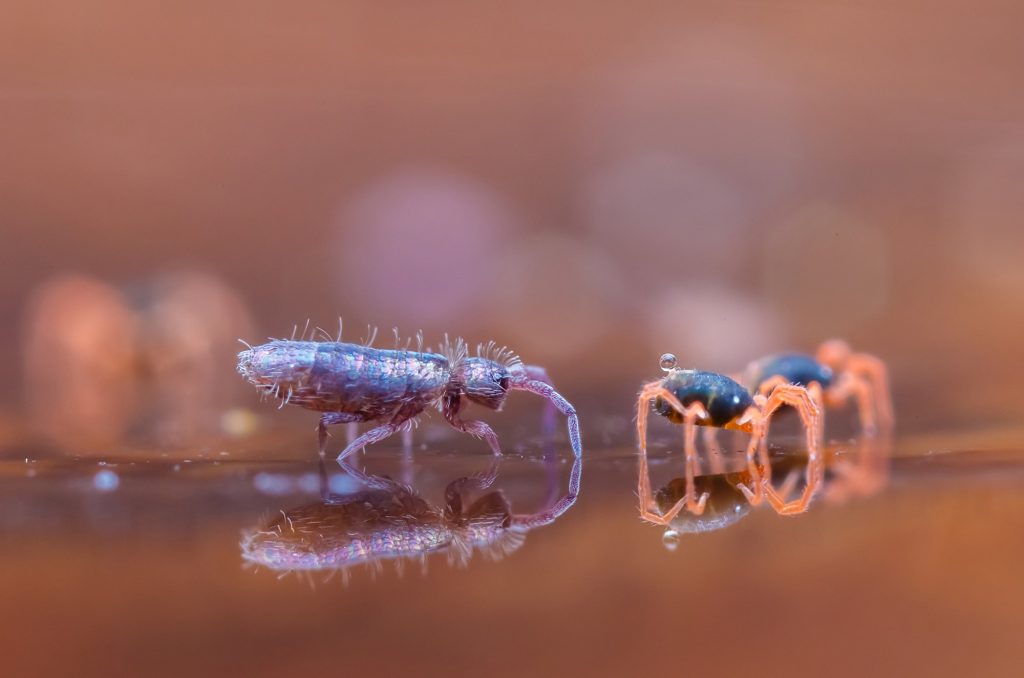
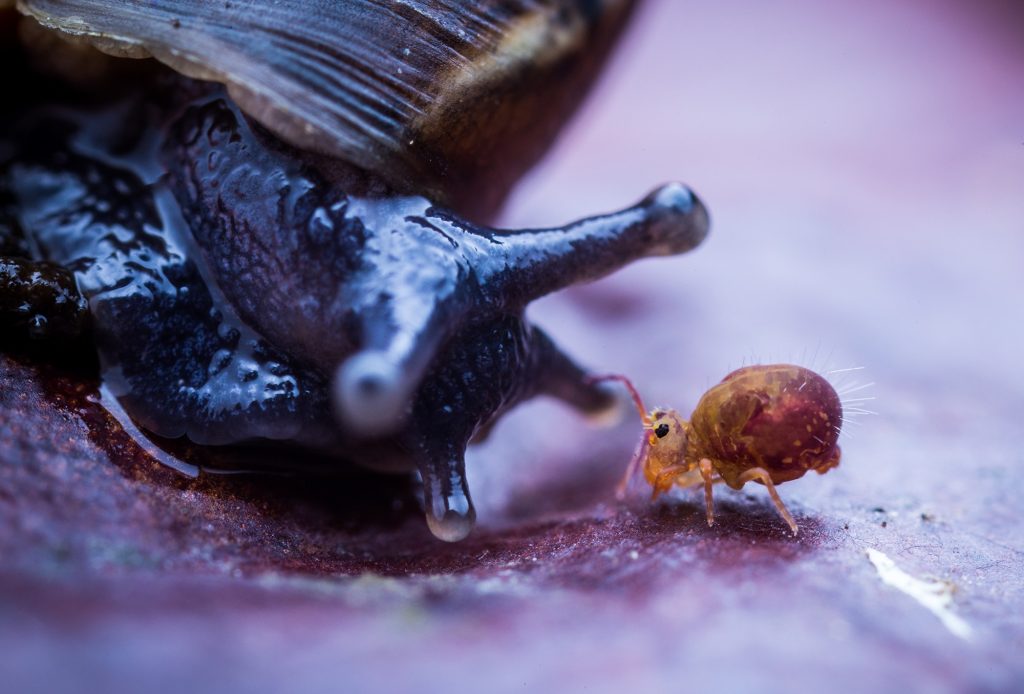
Photo: Zsolt Ujvári
An endless history and a hidden way of life
Anyone who pays close attention has almost certainly encountered springtails before, as they are present virtually everywhere. They can be seen jumping away from water droplets during watering, hiding between the pages of long-forgotten, extremely dry books, or even appearing on the snow of untouched glaciers, where they forage for pollen. Naturally, these observations refer to different species that have adapted to very different, sometimes extreme environmental conditions.
Their remarkable diversity and wide distribution can largely be explained by their age as a group. Springtail ancestors were already present more than 400 million years ago, during the Devonian period, living among the decaying remains of the Earth’s first woody plants. For this reason, they can rightly be regarded as some of the earliest decomposer organisms, playing an essential role from the very beginning in soil formation and in the cycling of organic matter.
Springtails in terrariums
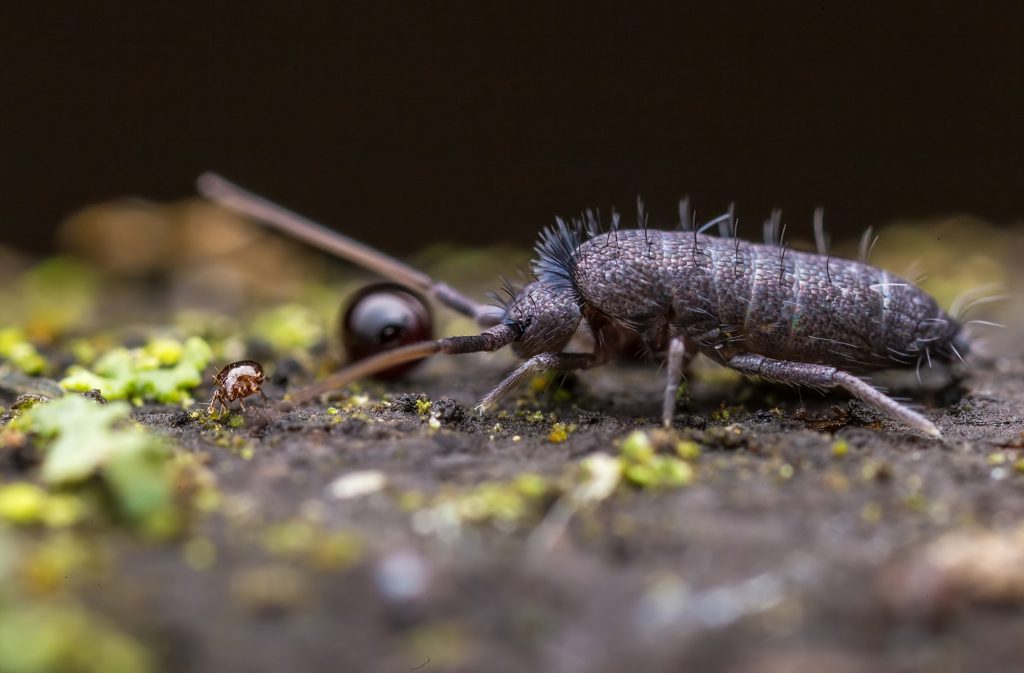
Springtails play a highly beneficial role, particularly within the ecosystems of bioactive terrariums. Through their lifestyle and feeding behaviour, they contribute to the decomposition of dead plant and animal material and to the recycling of organic matter. This activity helps maintain soil fertility and ensures balanced nutrient levels for both plants and animals living in the terrarium.
In addition, springtails help limit the excessive growth of fungal hyphae and moulds. Such fungal overgrowth is not only visually undesirable but can also lead to health problems in many terrarium inhabitants. In their role as decomposers, springtails are not merely competitors of fungi; many species actively feed on fungal hyphae. Numerous reports, as well as my own experience, confirm that when wooden decorations in a terrarium begin to develop mould, the deliberate introduction of springtails often results in these surfaces becoming free of fungal growth within just a few days.
As decomposer organisms, springtails help establish ecological balance within the terrarium. Far from being harmful to other inhabitants, their presence is generally beneficial. This applies equally to isopods, tarantulas, amphibians and even reptiles.
Lifestyle
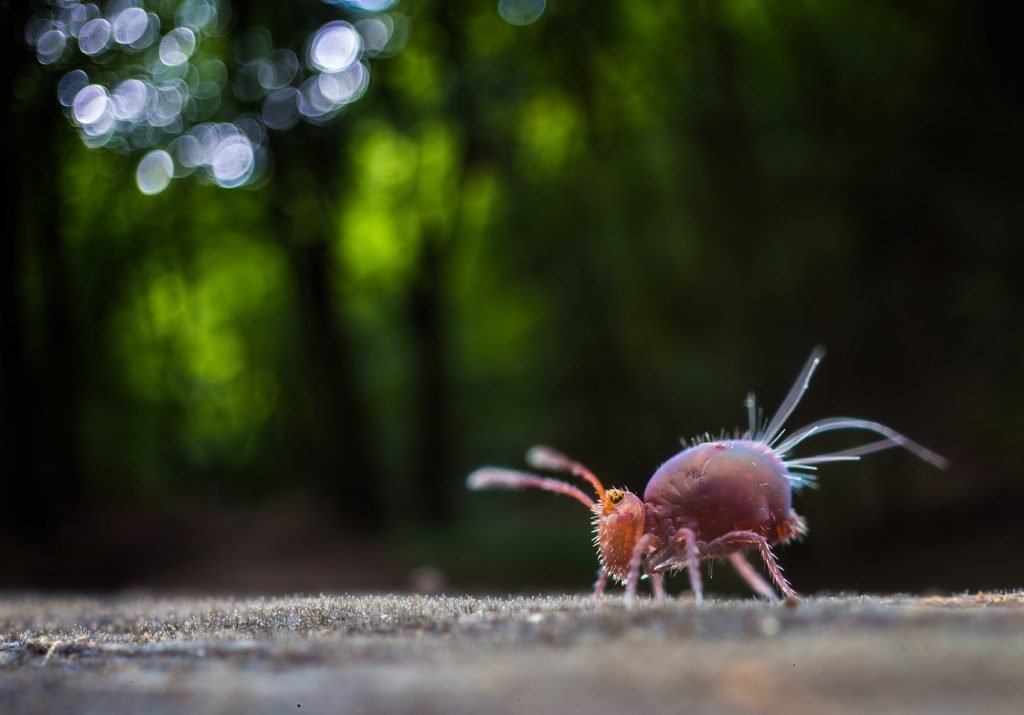
Springtails are among the most important decomposer organisms in terrestrial ecosystems. One of their distinctive biological traits is that they continue to molt even after reaching sexual maturity. Their mode of development is epimorphosis and monometabolous development, meaning that they undergo repeated molts without a radical change in body form.
Photo: Zsolt Ujvári
Who are they? What are they related to?
Springtails are among the oldest terrestrial animals known to science. To date, nearly 9,000 species have been described. Their earliest fossils, approximately 400 million years old, were discovered in Devonian red sandstone deposits. Although springtails are ancient arthropods (Arthropoda), they are not insects, even though at first glance many people tend to assume they are.
Within the subphylum Hexapoda, insects are accompanied by the class Entognatha, which includes three groups: Protura, Diplura, and Collembola. Springtails belong to this latter group, whose members are characterised by mouthparts that are enclosed within the head capsule.
In the past, springtails were classified as insects. However, more recent phylogenetic studies have shown that they are more accurately placed within the class Entognatha rather than among true insects.
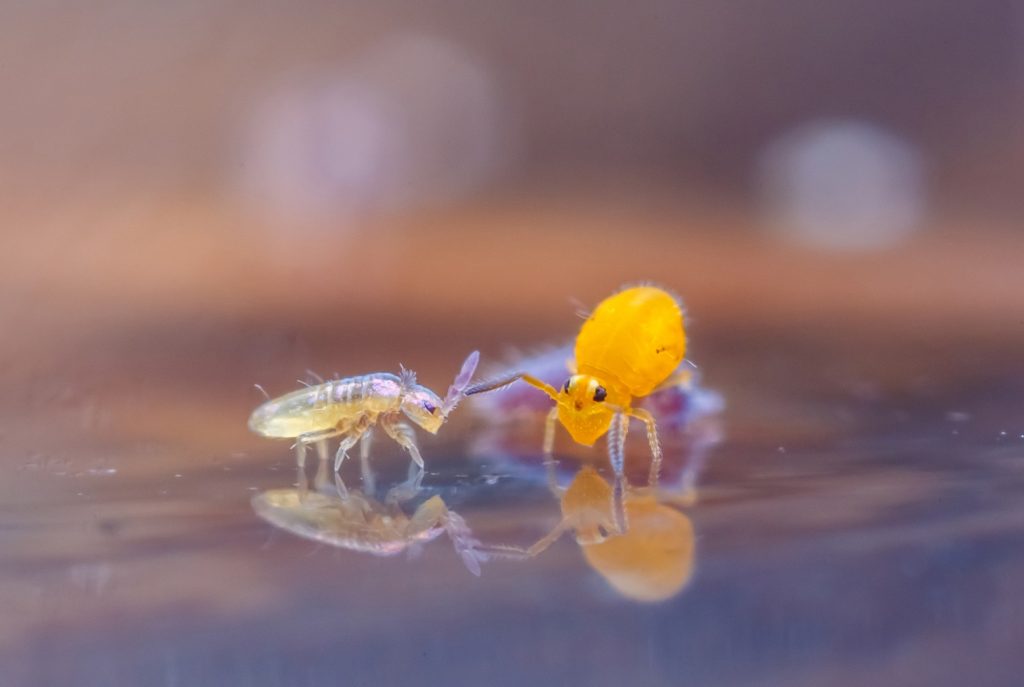
The furcula: a 400-million-year-old innovation
So far, we have not mentioned their most important defining feature. With the exception of a few groups, springtails are capable of jumping by means of a specialised organ known as the furcula. This structure originates from the fourth abdominal segment and, when at rest, is folded forward along the underside of the body, where it is held in place by a small clasp-like structure called the retinaculum, located on the third abdominal segment.
When the powerful muscles of the fourth segment contract, the furcula is suddenly released and snaps downward, propelling the animal into the air. This mechanism is used primarily as a defensive response and serves as an effective means of escape rather than a form of regular locomotion.
If we were to examine which animals are kept most frequently in terrariums, springtails would very likely take first place. Due to their lifestyle and ecological role, they are present in almost every terrarium, even if their presence often goes unnoticed.
Closing remarks
The next time springtails catch your eye, it is worth remembering that they were already present shortly after the first terrestrial plants appeared. They survived the greatest mass extinction events, and by the midpoint of their evolutionary history, the first dinosaur species had already emerged. In evolutionary terms, human history represents only a brief moment, and it is highly likely that many springtail species will still inhabit our planet long after humans are gone.
Taxonomic classification of springtails (Collembola)
Kingdom: Animalia
Phylum: Arthropoda
Subphylum: Hexapoda
Class: Entognatha
Subclass: Collembola Lubbock, 1870