




It would probably be worth a more detailed analysis to examine what motivates people to choose terrarium animals. The answers would likely be highly instructive.
Just one example, one that most of us could probably relate to: some people keep certain animals because they makes them feel cool or special. But whatever results such an analysis might yield, I believe that most of us keep spiders, snakes and frogs because, at some point in our lives, they captivated us for the rest of our lives. For this reason – in one way or another – we all feel a sense of responsibility for these animals. It is also important to us that they persist and thrive in their original habitats on this planet. We invest a great deal of effort into ensuring that the animals we keep receive the best possible care and that all of their natural requirements are met.
In an earlier article, I wrote about how herpetoculture has already provided science with a great deal of knowledge that we would be unable to obtain in the wild, or could obtain only with great difficulty. At the same time, keeping animals as a hobby can also pose serious risks to wildlife. Most people are probably aware of the large-scale illegal or semi-illegal wildlife trade with . This trade serves the demand for pet animals. However, this topic would deserve one or even several separate articles of its own, so I will not discuss it here. There are, however, other dangers associated with keeping reptiles as pets. In the following, I will mention some of them without attempting to be exhaustive.
Troubling invasion
Invasive species, both animals and plants, are among the greatest threats to wildlife. A large proportion of invasive species arrive accidentally, as stowaways. One example is the brown tree snake (Boiga irregularis) on the island of Guam, where it has effectively halved the native bird fauna, which consisted of barely two dozen species.
Others are introduced for economic purposes, while some are imported for the pet trade. These animals then either escape or are released into the wild by their owners once they are no longer wanted.
There are numerous well-known examples that can be found online. Florida is one of the areas most severely affected by invasive species introduced through herpetoculture and trade with herps. Green iguanas, anoles, geckos and various frogs are spreading throughout the Everglades. Many of these species originally arrived in Florida as pets. After all, the state is considered the “herp trade” centre of the United States. Today, more than 60 established non-native species are recorded in the state. Among them, the Burmese python (Python bivittatus) causes an ecological catastrophe by simply devouring the local wildlife. According to research, the population most likely descends from a single gravid female. The hurricane theory is probably not correct. According to it , a storm destroyed a breeding facility and the snakes escaped. After all, the real reason hardly matters.
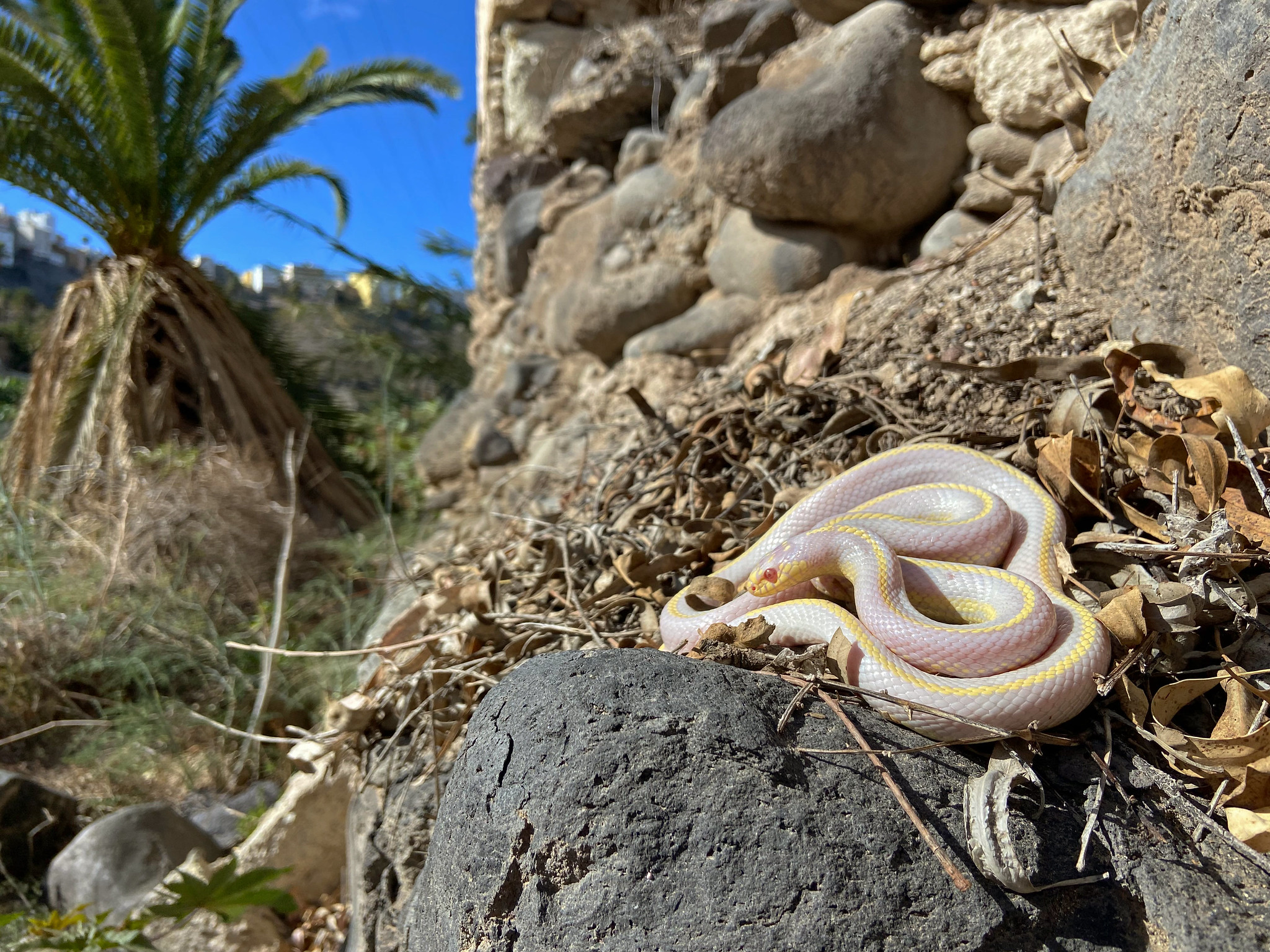
Another popular pet snake, the California kingsnake (Lampropeltis californiae), threatens the endemic and highly distinctive lizard fauna of the Canary Islands. The Canary Islands population was founded by escaped or released pets. This is why the species has been banned throughout Europe, including Hungary. However, this decision was difficult to justify in many countries, where the environmental conditions required by this species are not present. The invasive snakes mentioned so far, however, appear to be impossible to eradicate. It isn’t a good omen for the fauna they threaten.
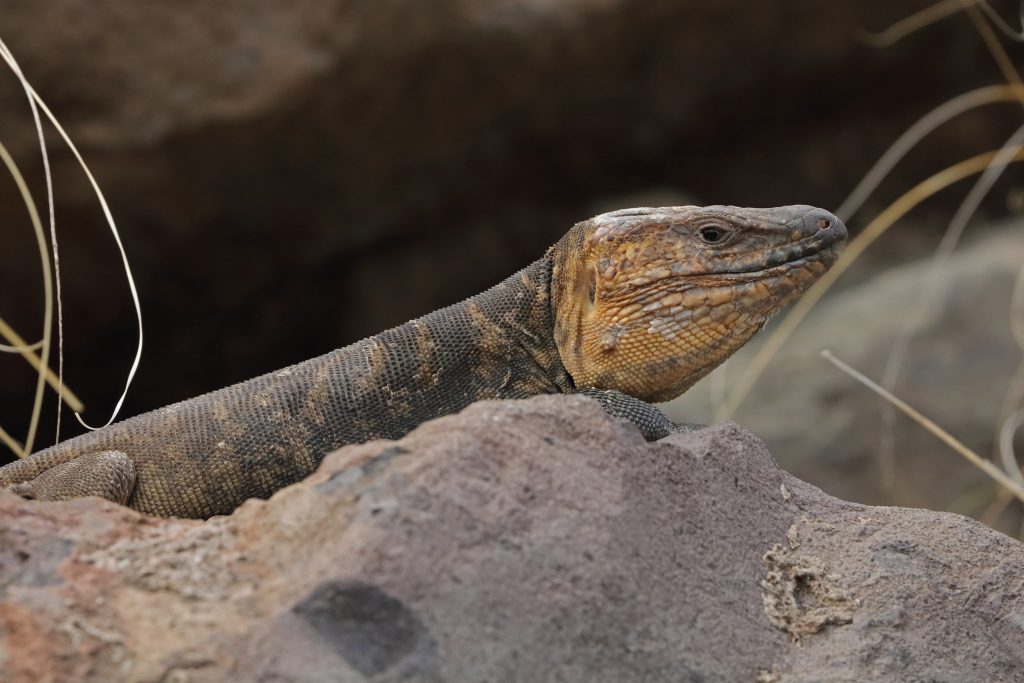
Photo: Laura & Bobby Bok
In Hungary, the presence of two reptile species gives cause for concern, both of which began their domestic “careers” as pets: the pond slider (Trachemys scripta) and the common snapping turtle (Chelydra serpentina).
The establishment of the latter has not yet been confirmed, but repeated new records are warning signs. Pond sliders compete with the native European pond turtle. If the common snapping turtle becomes established, it will act as a vigorous predator and scavenger in Hungary’s aquatic ecosystems. This role has so far been entirely unknown there. In addition, the common snapping turtle causes panic among the general public – somewhat unjustifiably, it should be added.
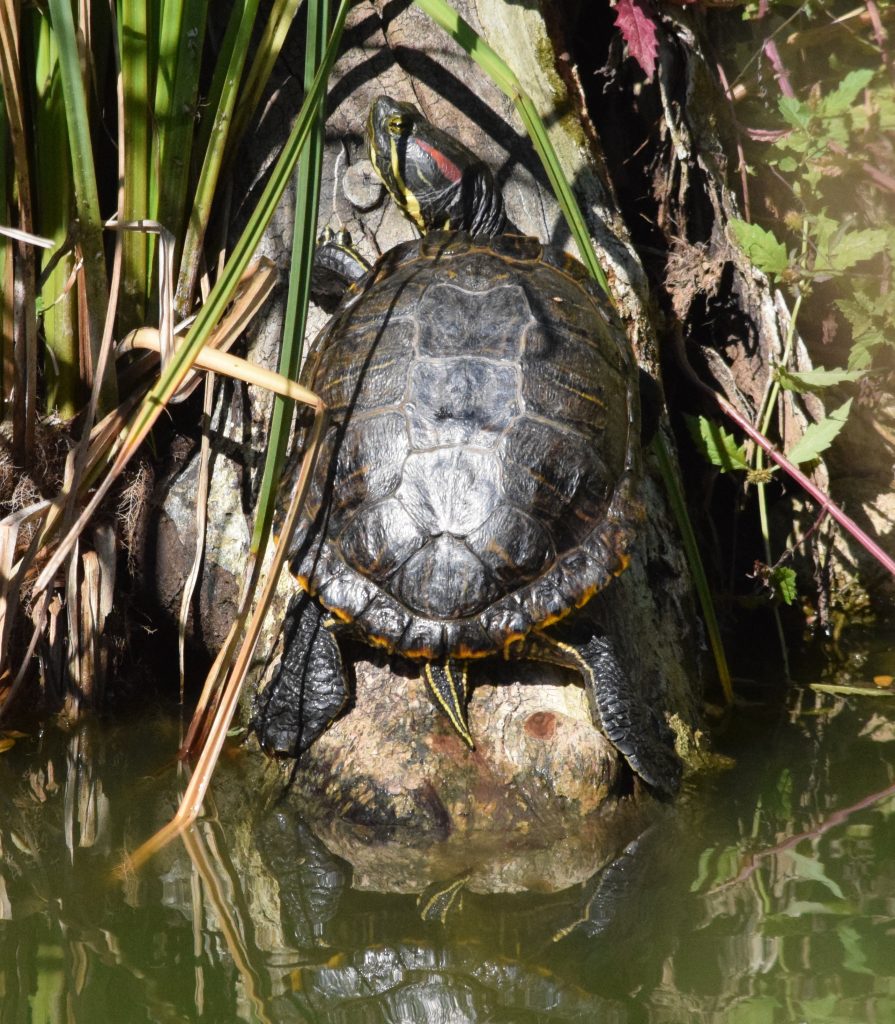
Photo: Gergely Babocsay
Some species may perhaps not cause any major problems. However, in connection with Kotschy’s gecko (Mediodactylus kotschyi) becoming established in Budapest, voices condemning pet keepers can already be heard. The occasional appearance of such voices is never an encouraging development for herpetoculture.
Keeping pets can also contribute indirectly to the spread of invasive species, including plants. In recent years, pads of prickly pear or bear’s paw cacti (Opuntia spp.) have also appeared on the market as feed intended for land tortoises. Some people cultivate them for this purpose. Conservationists have already alarmed about these plants. They can spread unnoticed in dry habitats, such as sandy grasslands, limestone grasslands and dolomite grasslands. There, they can overgrow and bury the native vegetation beneath them. Their removal is costly.

Photo: Gergely Babocsay
A pandemic is just around the corner
Amphibians and reptiles also have their own pathogens. As in humans, if a pathogen has long been present in an amphibian or reptile population, it usually does not pose a major threat to that population, at least at the population level. However, there is a clear historical parallel. Following the great geographical discoveries, European sailors spread diseases among the peoples of the New World that had previously been unknown to them. As a result, they nearly wiped out parts of those peoples. Similarly, amphibians and reptiles around the world are also dying from unfamiliar pathogens brought to them.
Of the chytrid fungi that kill amphibians – the frog chytrid fungus and the salamander chytrid fungus (Batrachochytrium dendrobatidis and B. salamandrivorans) – the former has already appeared in Hungary and has caused mortality in certain yellow-bellied toad populations.
Hobby animal keeping has played a major role in the spread of both pathogens, and continues to do so.
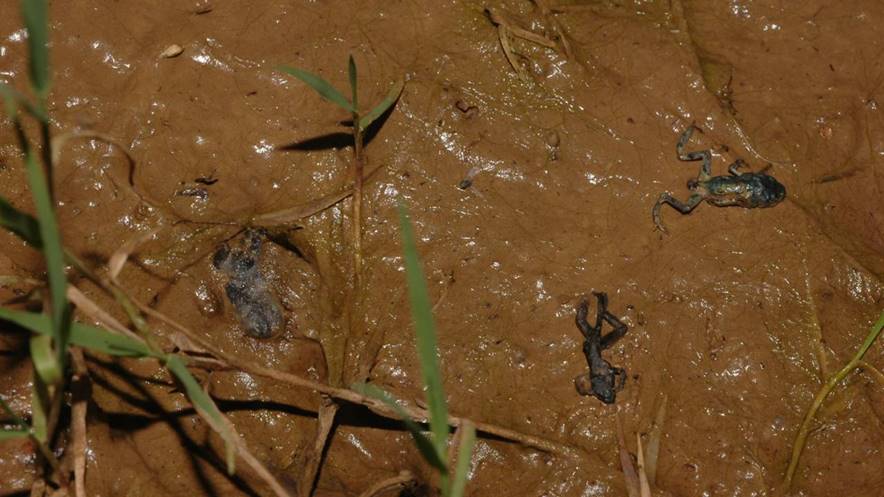
Photo: Krisztián Harmos
It is no coincidence that the import and keeping of salamanders has been banned in both the United States and Europe. The aim is to prevent the spread of the fungus. Another major threat is snake fungal disease, or SFD, caused by the fungus Ophidiomyces ophidiicola, which is killing snakes in the United States. Although it has also been detected in Europe, it has not yet caused conspicuous mortality there. These pathogens can also spread easily from breeding facilities. However, they most commonly spread through wild-caught individuals that later enter the pet trade.
It is worth noting that some species may also carry zoonotic pathogens. Zoonoses are diseases transmitted from animals to humans. It is well known that turtles, iguanas and other reptiles may carry Salmonella. An interesting case is that of pentastomids, also known as tongue worms: worm-like parasites related to crustaceans, such as Armillifer armillatus and A. grandis. These parasites live in large-bodied West African snakes. They can cause the parasitic infection known as pentastomiasis in people who eat snakes or frequently handle them. Ball pythons are still exported in large numbers from West Africa for the pet trade. Some come from farms, but a considerable proportion still comes from wild populations. Infections originating from such animals may also cause disease in Europe, for example among keepers. Tongue worms also have Asian relatives associated with large-bodied reptiles.
Considerations and Solutions
Following a decision by the European Union, several species have been placed on a ban list because they may pose a potential threat to European wildlife. These decisions are sometimes painful, especially in the case of very popular species such as the California kingsnake or pond sliders. Nevertheless, it is important that these rules be observed. We must accept that some of these species may pose a serious threat to Hungary’s native fauna. The risks they carry far outweigh the disadvantages caused by prohibiting their keeping. At the same time, lawmakers should also assess the consequences of banning a popular species. If a ban involves only sanctions and offers no solutions, it may achieve the exact opposite effect. Keepers may feel they have no other way to get rid of their animals. As a result, they may release them into the wild.
In the case of potential pathogens, great responsibility lies with traders, breeders and individual keepers alike.
There is an enormous need for testing methods suitable for detecting these pathogens. Accessible laboratories would also be needed for this purpose. Hungarian authorities have taken steps in this direction, for example through the development of protocols. However, the Hungarian institutional system has so far not been receptive to these efforts. Yet it would be important to make cost-effective testing available. This should apply both to animals entering the trade and to our own animals kept as pets. The pet keeper community should take action to support this demand.
In addition, both keepers and traders should apply protocols that prevent pathogens from escaping from the terrariums and rooms in which their animals are kept, including the disinfection of used substrates.
It may seem like a cliché, but practice sometimes proves otherwise: we must take every precaution to ensure that our animals cannot escape. It is very important that, if we keep exotic species, we should never keep native species alongside them – in fact, Hungarian legislation does not allow this – not even temporarily. They may become infected, and when we release them with the best of intentions, we may infect our native amphibians and reptiles through them.
