


Close Menu
TerraPlaza magazin
  • Reptiles
    • Lizards
      • Geckos
      • Chameleons
      • Skinks
      • Agamids
      • Monitors
  • Amphibians
  • Arthropods
  • Fun facts
  • English
    • English
    • Magyar

Subscribe to Updates

Get the latest creative news from FooBar about art, design and business.

What's Hot

Scorpion Anatomy: Claws, Stinger and a Unique Sensory Organ

2026.10.15.

Snake Species: More Than 4,200 Around the World

2026.10.15.

Box turtle habitat: Forests, meadows and wet areas

2026.10.15.
Facebook X (Twitter) Instagram
TerraPlaza magazin
  • Reptiles
    1. Lizards
    2. Geckos
    3. Chameleons
    4. Skinks
    5. Agamids
    6. Monitors
    7. View All

    Veiled chameleon in the terrarium: how to create a suitable environment for it

    2026.08.25.

    Eight thousand ways to be a lizard: Celebrating World Lizard Day!

    2026.08.14.

    The giant Madagascar day gecko (Phelsuma grandis)

    2026.07.26.

    Earless monitor lizard – A mysterious rarity of the reptile world

    2026.07.09.

    The giant Madagascar day gecko (Phelsuma grandis)

    2026.07.26.

    Veiled chameleon in the terrarium: how to create a suitable environment for it

    2026.08.25.

    Fire skink: The secretive lizard of the West African forests

    2026.06.17.

    Crocodile skinks as companion animals

    2026.01.07.

    Earless monitor lizard – A mysterious rarity of the reptile world

    2026.07.09.

    Armored companions: tortoises in herpetoculture

    2026.09.23.

    Veiled chameleon in the terrarium: how to create a suitable environment for it

    2026.08.25.

    Eight thousand ways to be a lizard: Celebrating World Lizard Day!

    2026.08.14.

    The giant Madagascar day gecko (Phelsuma grandis)

    2026.07.26.
  • Amphibians

    Pacman frogs: enormous mouths and lightning‑fast strikes

    2026.09.14.

    Axolotl: The Creature That Never Grows Up – Regeneration, Myths and Survival

    2026.05.04.
  • Arthropods

    Disguised as flowers, leaves, or twigs: the many faces of praying mantises

    2026.08.18.

    Habitats and ecological adaptations of arthropods

    2026.08.10.

    Are Springtails the Most Common Terrarium Animals?

    2021.01.12.
  • Fun facts

    Scorpion Anatomy: Claws, Stinger and a Unique Sensory Organ

    2026.10.15.

    Snake Species: More Than 4,200 Around the World

    2026.10.15.

    Box turtle habitat: Forests, meadows and wet areas

    2026.10.15.

    Spider shedding: Their most vulnerable moment

    2026.10.14.

    Phasma gigas: A giant stick insect with a twig-like appearance

    2026.10.14.
  • English
    • English
    • Magyar
Facebook Instagram YouTube
TerraPlaza magazin
Home»Fun facts
Fun facts

Polyrhachis dives: A nest-weaving ant that uses larval silk

Farkas M. VivienBy Farkas M. Vivien2026.09.15.No Comments1 Min Read
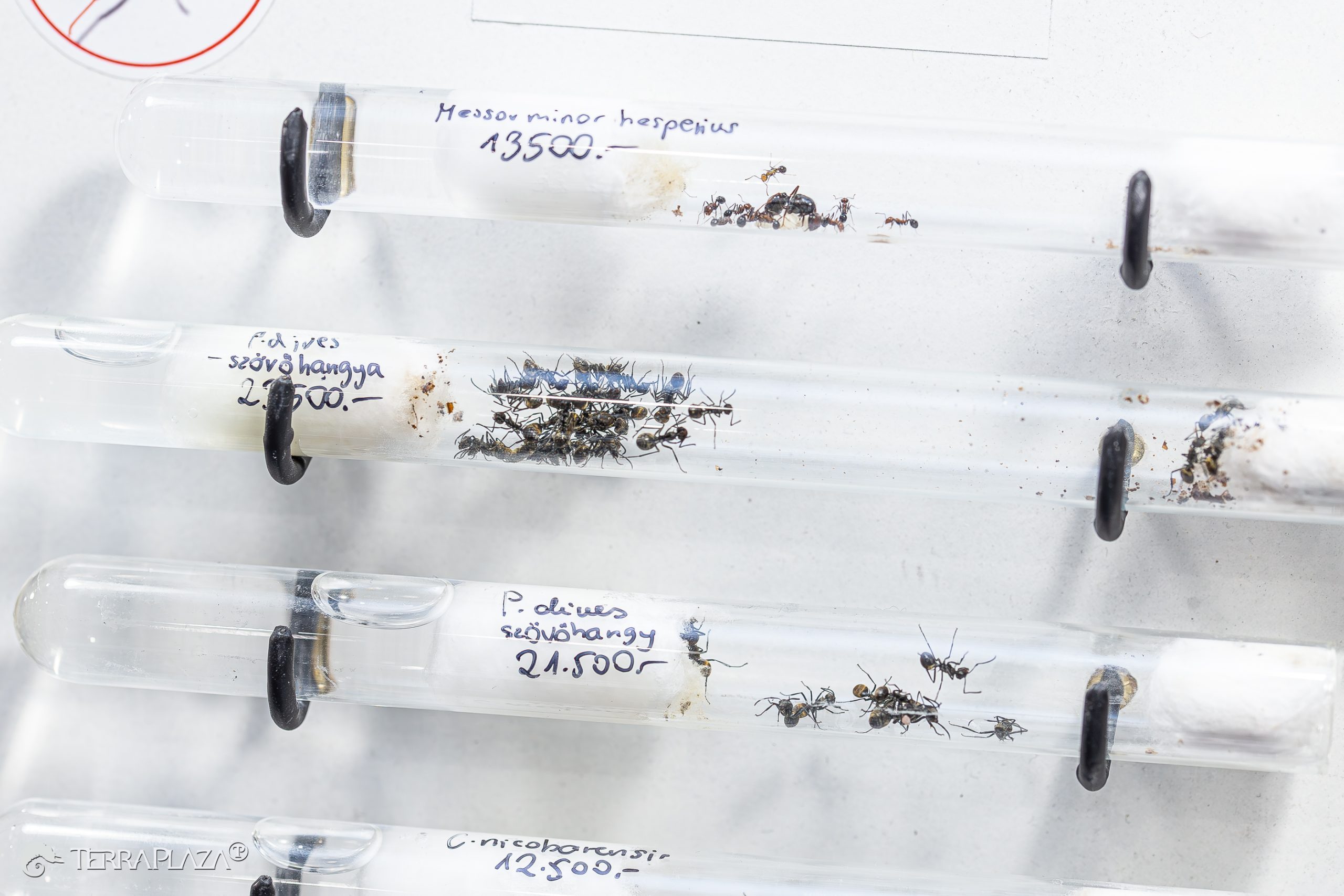
Polyrhachis dives nest-weaving ant using larval silk during nest construction
Share
Facebook Twitter LinkedIn Pinterest Email

The nest-weaving ant (Polyrhachis dives) is an attractive and fascinating ant species, known for its unusual nest-building behavior. It is also a popular species among ant enthusiasts.

One of its most interesting features is the way workers use the silk-like material produced by the larvae. During nest construction, the workers gently hold larvae between their mandibles and use them almost like living tools. With this method, they can connect plant parts, leaves or other suitable materials to create a protected nest for the colony. This remarkable behavior shows how complex and well-organized ant societies can be.

Polyrhachis dives is a great example of how advanced and specialized nest-building behavior can be in social insects.

ant colony ants insect facts larval silk nest building nest-weaving ant Polyrhachis dives social insects TerraPlaza
Share. Facebook Email
Previous ArticlePacman frogs: enormous mouths and lightning‑fast strikes
Next Article Panther chameleon feet: Masters of grip
Farkas M. Vivien
Farkas M. Vivien

Related Posts

Scorpion Anatomy: Claws, Stinger and a Unique Sensory Organ

2026.10.15.

Snake Species: More Than 4,200 Around the World

2026.10.15.

Box turtle habitat: Forests, meadows and wet areas

2026.10.15.

Spider shedding: Their most vulnerable moment

2026.10.14.

Comments are closed.


TerraPlaza Expo
picks
Ezt már olvastad?
Fun facts

Scorpion Anatomy: Claws, Stinger and a Unique Sensory Organ

By Farkas M. Vivien2026.10.15.

Scorpions have powerful pincers, a venomous stinger and unique comb-like sensory organs that help them explore their surroundings.

Snake Species: More Than 4,200 Around the World

2026.10.15.

Box turtle habitat: Forests, meadows and wet areas

2026.10.15.

Spider shedding: Their most vulnerable moment

2026.10.14.
Rólunk

Természetszeretet és felelős állattartás naprakész információkkal – terrarisztika és akvarisztika szakportál. Hogy kedvenceidnek minél boldogabb élete legyen.

Email: info@terraplaza.hu
Tel: +36 20 4757271

 
    TerraPlaza magazin
    Facebook Instagram YouTube Discord
    Copyright © 2026 TerraPlaza ®

    Type above and press Enter to search. Press Esc to cancel.

    A jobb felhasználói élmény érdekében az oldalon cookie-kat használunk. Oldalunk használatával, Ön elfogadja a cookie-k használatát.